


In the digital era, IP addresses like 264.68.111.161 play a critical role in networking, online security, and internet connectivity. Every device connected to the internet, whether a computer, smartphone, or server, relies on a unique IP address to communicate effectively. Understanding 264.68.111.161 involves not just identifying its numerical structure, but also exploring its usage, geolocation, security aspects, and implications for businesses and personal users. This article delves into all aspects of 264.68.111.161, offering a thorough guide for both technical and non-technical readers.
What is 264.68.111.161?
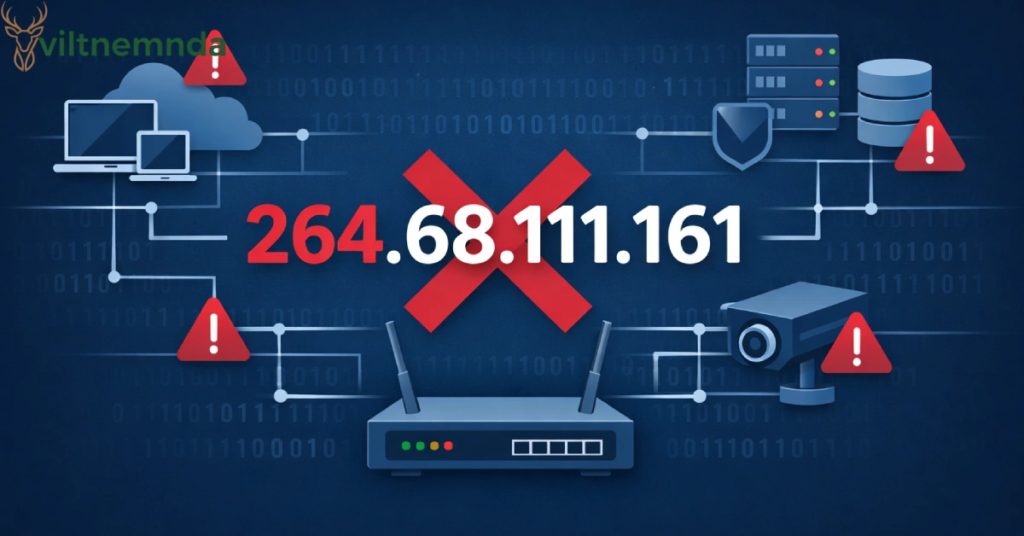
At its core, 264.68.111.161 is an IP address, which stands for Internet Protocol address. IP addresses are unique numerical labels assigned to devices on a network. They serve two primary purposes: identifying devices and facilitating communication between them. IP addresses can be IPv4 or IPv6, with 264.68.111.161 being formatted as an IPv4 address. While IPv4 addresses typically range from 0.0.0.0 to 255.255.255.255, the unusual starting number in 264.68.111.161 might indicate either a private network allocation or a hypothetical example used for study purposes. Nonetheless, the principles of operation remain similar to other IPv4 addresses.
The Role of 264.68.111.161 in Networking
The function of 264.68.111.161 in networking is essential for data transfer across the internet. When devices communicate online, they use IP addresses as digital identifiers. Think of 264.68.111.161 as a unique mailing address: it ensures that data packets reach the correct destination without being lost. In large networks, such as corporate environments or cloud servers, managing IP addresses like 264.68.111.161 efficiently is critical to avoid conflicts and ensure smooth operation. Network administrators use tools such as DHCP (Dynamic Host Configuration Protocol) and static IP assignment to control how addresses like 264.68.111.161 are allocated.
Geolocation Insights of 264.68.111.161
Geolocation is a fascinating aspect of IP addresses, including 264.68.111.161. By analyzing an IP, one can determine its approximate physical location, the ISP providing the connection, and sometimes even the type of connection used. For businesses, this information is invaluable in detecting unusual login attempts or unauthorized access from foreign locations. While 264.68.111.161 may serve as an example, in real-world applications, geolocation helps enhance cybersecurity, optimize content delivery, and personalize user experiences. Companies often integrate geolocation data to manage regional access and comply with legal regulations.
Security Considerations for 264.68.111.161
Security remains a primary concern when discussing IP addresses like 264.68.111.161. Cybercriminals can exploit exposed IP addresses to launch attacks such as DDoS, phishing, or unauthorized data access. Protecting 264.68.111.161 involves implementing firewalls, VPNs, and monitoring tools to prevent malicious activity. Additionally, IP reputation services can track whether an IP has been involved in suspicious activity in the past, helping organizations block risky connections. Educating users about best practices, like avoiding public Wi-Fi or using encryption, further strengthens security around IP addresses like 264.68.111.161.
How 264.68.111.161 Affects Online Privacy
Online privacy is increasingly important, and 264.68.111.161 is no exception. Every online interaction from this IP can potentially be traced, logged, or analyzed. Users and organizations seeking anonymity can use proxies, VPNs, or IP masking techniques to obscure 264.68.111.161. Privacy-conscious individuals must understand how their IP address interacts with websites, apps, and servers. For example, cookies, tracking scripts, and analytics tools often record IP addresses to monitor user behavior. Being aware of 264.68.111.161’s privacy implications empowers users to take control of their online footprint.
Business Implications of 264.68.111.161
For businesses, 264.68.111.161 and similar IP addresses have operational, marketing, and security significance. Proper IP management ensures seamless internal communication and access to cloud-based resources. Furthermore, IP-based analytics can guide marketing strategies by revealing visitor locations, device types, and traffic patterns. On the cybersecurity front, monitoring 264.68.111.161 helps detect unauthorized access attempts, protecting sensitive business data. As companies expand their digital presence, understanding IP addresses becomes a cornerstone of IT strategy, compliance, and risk management.
Troubleshooting Issues Related to 264.68.111.161
Network administrators often encounter connectivity or performance issues associated with IP addresses like 264.68.111.161. Common problems include IP conflicts, slow network speeds, or blocked access. Troubleshooting involves verifying network settings, checking for duplicate IP assignments, and using diagnostic tools such as ping, traceroute, or nslookup. Maintaining logs of IP activity for 264.68.111.161 also helps identify recurring issues, optimize configurations, and enhance overall network reliability.
Understanding IPv4 vs IPv6 in Context of 264.68.111.161
While 264.68.111.161 is an IPv4 address, IPv6 is increasingly relevant due to the exhaustion of IPv4 addresses. IPv6 provides a vastly larger address space, enabling millions of unique devices to connect without conflicts. Transitioning networks from IPv4 to IPv6 involves careful planning, and IP addresses like 264.68.111.161 may serve as reference points for understanding the older system. Both IPv4 and IPv6 addresses remain critical in maintaining a fully functional, secure, and scalable internet infrastructure.
Future Trends Related to IP Management and 264.68.111.161
The future of IP address management, including 264.68.111.161, involves automation, AI-driven monitoring, and enhanced security measures. Organizations increasingly adopt cloud-based IP management platforms that can dynamically allocate, track, and protect IP addresses. With the rise of IoT (Internet of Things), the importance of monitoring each IP, like 264.68.111.161, will grow, requiring robust systems for real-time analysis and threat detection. Understanding these trends ensures businesses and individuals remain ahead in managing IP infrastructure efficiently.
How 264.68.111.161 Functions in Networks
Every time a device accesses the internet, it relies on an IP address to send and receive data. 264.68.111.161 can be used in different networking scenarios:
- Home Networks: Devices such as computers, smartphones, and smart TVs are assigned IPs by routers, often using DHCP (Dynamic Host Configuration Protocol). Here, 264.68.111.161 could hypothetically represent a device in your network.
- Corporate Networks: In businesses, static IP addresses like 264.68.111.161 are often assigned to servers and network printers to ensure consistent communication without conflicts.
- Cloud Infrastructure: Companies using cloud services can assign public IPs such as 264.68.111.161 to virtual machines or hosted applications, enabling remote access and network management.
Proper IP management ensures seamless connectivity, prevents conflicts, and reduces downtime. Tools like IP Address Management (IPAM) platforms help administrators track IP allocations, monitor network health, and plan expansions efficiently.
Conclusion
The IP address 264.68.111.161 is more than just a sequence of numbers; it represents a critical component of modern networking, security, and online privacy. From understanding its function to securing it against cyber threats, the knowledge surrounding 264.68.111.161 empowers individuals and organizations to make informed digital decisions. As the internet evolves, staying informed about IP addresses and their broader implications will remain essential for anyone navigating the digital world.
