

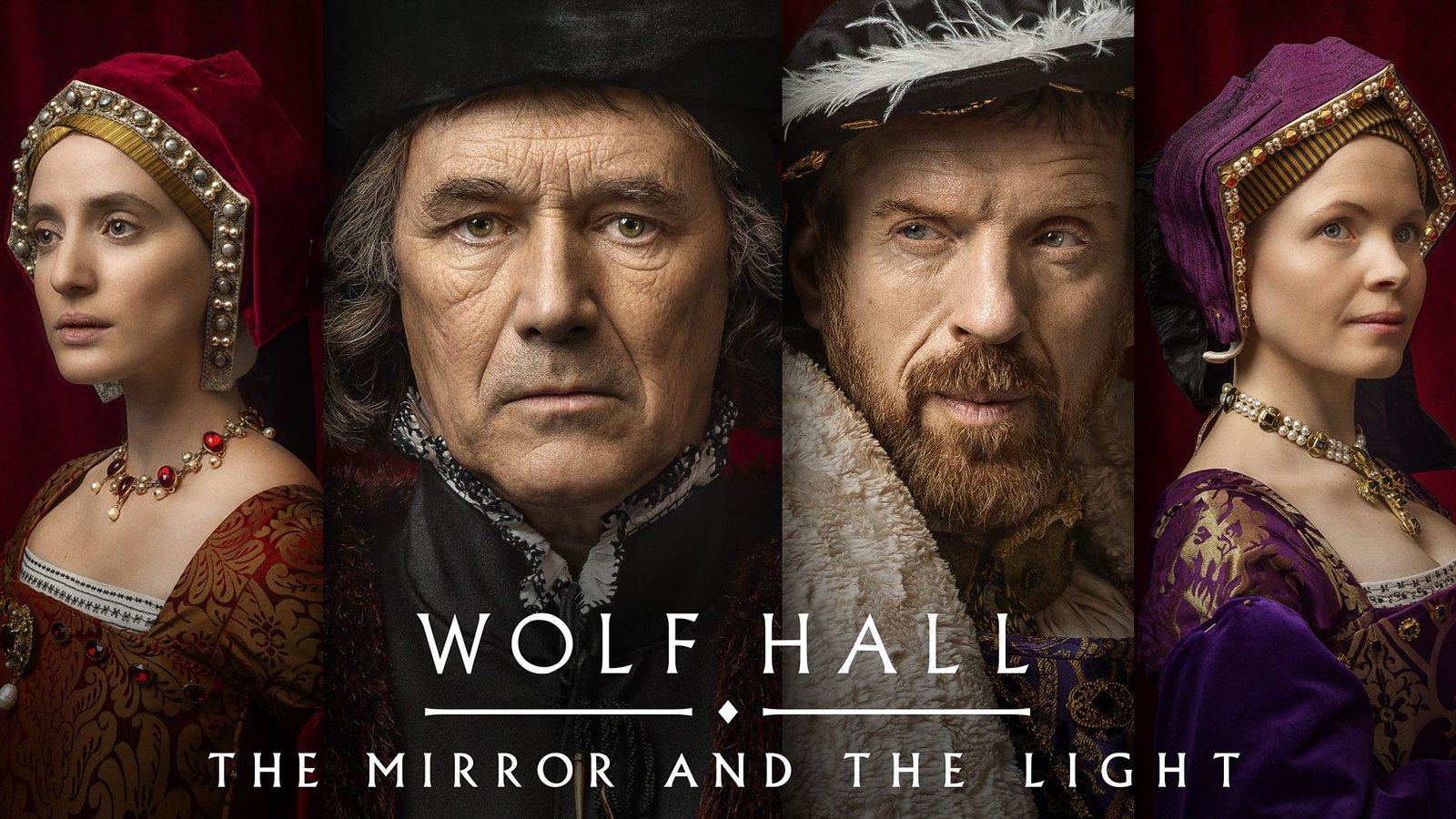
The world of historical fiction has always found a special place in readers’ hearts, with stories that blend intricate politics, personal ambition, and the dramatic turns of history. Among the modern masterpieces of this genre, Wolf Hall The Mirror and The Light stands as a monumental achievement. Written by Hilary Mantel, this novel is the final installment of her critically acclaimed trilogy that begins with Wolf Hall and continues with Bring Up the Bodies. Mantel’s work delves deep into the life of Thomas Cromwell, one of the most enigmatic figures of Tudor England, offering a nuanced portrayal of power, loyalty, and human frailty.
The novel’s title itself, Wolf Hall The Mirror and The Light, evokes a sense of duality—mirroring history while illuminating previously hidden facets of Cromwell’s life. Set against the backdrop of King Henry VIII’s England, it captures the tumultuous final years of Cromwell’s political life. Unlike many historical accounts that lean heavily on recorded events, Mantel’s storytelling humanizes her characters, presenting them as complex individuals rather than historical caricatures. Her meticulous research brings authenticity to every dialogue and decision, immersing readers in a world where every action has consequence and every word is weighted with meaning.
Understanding Thomas Cromwell in Wolf Hall The Mirror and The Light
One of the central strengths of Wolf Hall The Mirror and The Light lies in its portrayal of Thomas Cromwell. Far from being a simple villain or a heroic statesman, Cromwell is depicted with layers of ambition, pragmatism, and moral ambiguity. Mantel masterfully shows how Cromwell navigates the treacherous waters of Tudor politics, balancing personal ethics with the demands of loyalty and survival.
Throughout the novel, Cromwell’s character evolves as he confronts the shifting allegiances of the court, the unpredictable temper of Henry VIII, and the profound personal losses that shape his worldview. The reader witnesses a man constantly calculating the risks and rewards of his choices, yet remaining deeply human in his vulnerabilities. This nuanced portrayal is why Wolf Hall The Mirror and The Light resonates so powerfully with readers and critics alike, offering not just a history lesson but an intimate study of human ambition and resilience.
The Political Landscape in Wolf Hall The Mirror and The Light
Wolf Hall The Mirror and The Light is as much about politics as it is about personal narrative. Set in a period of immense political upheaval, the novel explores the complexities of governance under Henry VIII, including the dissolution of monasteries, the manipulation of parliamentary law, and the intricate dance of courtly favor. Mantel’s attention to historical detail ensures that readers are not only entertained but educated, gaining insight into the mechanisms that shaped England during one of its most transformative periods.
What makes the political narrative in Wolf Hall The Mirror and The Light particularly compelling is Mantel’s ability to interweave public events with private motives. Decisions that seem purely political are often colored by personal ambition, loyalty, or revenge, reflecting the intricate interplay of power and human emotion. In doing so, the novel goes beyond a simple historical recounting, providing a layered and engaging reading experience that highlights both the grandeur and the peril of Tudor politics.

Themes Explored in Wolf Hall The Mirror and The Light
Thematic richness is a hallmark of Wolf Hall The Mirror and The Light. Mantel explores enduring themes such as power, betrayal, loyalty, and mortality, crafting a narrative that is both historically grounded and philosophically profound. Power is depicted not as a monolithic force but as something fragile and contingent, subject to the whims of fortune and the moral choices of individuals. Cromwell’s journey, in particular, embodies this theme, showing how political skill and personal integrity can coexist, conflict, and ultimately define one’s legacy.
Another central theme in Wolf Hall The Mirror and The Light is the tension between history and memory. Mantel’s narrative emphasizes the subjectivity of historical accounts, reminding readers that history is often filtered through perspective and bias. By giving voice to characters who are traditionally marginalized in historical texts, the novel illuminates the human experiences behind the official records. This approach not only enhances the novel’s emotional depth but also challenges readers to reconsider conventional interpretations of history.
Literary Style and Narrative Technique
Hilary Mantel’s literary style in Wolf Hall The Mirror and The Light is notable for its immersive and intimate approach. Written in the third-person limited perspective, the narrative closely follows Cromwell’s thoughts, creating a sense of immediacy and psychological depth. Mantel’s prose is both precise and lyrical, combining meticulous historical detail with an engaging narrative rhythm that keeps readers invested across its substantial length.
One particularly striking feature of Wolf Hall The Mirror and The Light is its use of time and memory. Mantel frequently shifts between past and present, allowing readers to understand Cromwell’s decisions in the context of his experiences and personal history. This technique not only enhances the narrative complexity but also deepens the reader’s connection to the characters, making their triumphs and tragedies resonate more profoundly.
Critical Reception of Wolf Hall The Mirror and The Light
Upon its release, Wolf Hall The Mirror and The Light was met with widespread acclaim. Critics praised Mantel for her meticulous research, narrative brilliance, and psychological insight. The novel was celebrated not only as a historical account but also as a literary achievement, earning numerous awards and solidifying Mantel’s reputation as one of the foremost historical novelists of her generation.
Readers and scholars alike have highlighted Mantel’s ability to humanize history without sacrificing accuracy. Unlike traditional historical texts, which can feel distant or detached, Wolf Hall The Mirror and The Light provides an intimate window into the lives of its characters, making the past feel vivid and relevant. This balance between historical fidelity and narrative engagement is a key reason why the novel has achieved both critical and popular success.
Why Wolf Hall The Mirror and The Light Matters Today
Even decades after the events it depicts, Wolf Hall The Mirror and The Light remains highly relevant. The novel explores timeless questions about power, morality, and the human condition, offering insights that extend beyond the confines of Tudor England. In an age where political intrigue and moral complexity continue to define leadership and governance, Mantel’s work provides both reflection and caution.
Moreover, the novel encourages readers to consider the ways in which history is constructed and remembered. By giving voice to figures often relegated to footnotes, Mantel highlights the importance of perspective and interpretation in understanding the past. In doing so, Wolf Hall The Mirror and The Light not only entertains but educates, fostering a deeper appreciation for history and its lessons for the present.
Conclusion
In conclusion, Wolf Hall The Mirror and The Light is more than a historical novel—it is a profound exploration of human ambition, morality, and the intricate web of history. Hilary Mantel’s masterful storytelling brings Thomas Cromwell to life, offering a nuanced and deeply human portrayal of one of history’s most enigmatic figures. With its rich thematic depth, meticulous research, and compelling narrative, the novel stands as a landmark achievement in contemporary literature.
