


Early Life and Royal Upbringing
Prince Harry, born Henry Charles Albert David on September 15, 1984, at St Mary’s Hospital in London, is the younger son of Prince Charles and the late Princess Diana. From an early age, he was thrust into the public eye due to his royal lineage. His childhood was characterized by the aura of royal life, surrounded by tradition, privilege, and duty. Harry’s bond with his older brother, Prince William, was particularly significant, as the two shared many formative experiences, including their first pilgrimage to the family estate of Balmoral on the Scottish Highlands.
Growing up, Prince Harry enjoyed a playful nature, known for his mischievous spirit that both endeared him to the public and set him apart as a more relatable royal figure. His parents attempted to provide him with as normal an upbringing as possible; however, the pressures of being a royal were ever-present. Harry attended several prestigious schools, culminating in his time at Eton College, further immersing him in the expectations associated with royal family life.
The pivotal moment that would shape his character came with the tragic death of his mother, Princess Diana, in 1997. At just 12 years old, Prince Harry found himself confronted with overwhelming grief. The impact of losing his mother was profound; it instilled in him a sense of vulnerability that would persist throughout his life. Following Diana’s death, the media scrutiny intensified, which made navigating the royal duties often challenging. However, it also motivated him to pursue charitable endeavors aimed at supporting mental health and youth, reflecting his mother’s legacy. The emotional scars of his early experiences and the unwavering pull of royal expectations have significantly influenced Prince Harry’s journey beyond the palace as he navigates his public and private life today.
Military Service and Public Engagements
Prince Harry military service represents a significant period in his life, profoundly shaping his perspective and humanitarian efforts. Enlisting in the British Army in 2005, he underwent rigorous training and deployed twice to Afghanistan, where he served as a forward air controller. These experiences not only honed his leadership abilities but also instilled within him a sense of duty toward those who serve and sacrifice for their country. Harry often speaks about how his time in the military fostered a deeper understanding of the challenges faced by veterans and active service members, particularly the psychological aspects of combat.
Throughout his military career, Prince Harry developed a keen awareness of mental health issues, which would later influence his various public engagements. Recognizing the stigma surrounding mental health in the armed forces, he co-founded the Invictus Games in 2014, an international sporting event for wounded, injured, or sick armed service personnel. This initiative not only promotes physical rehabilitation through sports but also emphasizes the importance of mental well-being, allowing veterans to connect and support one another.
In addition to the Invictus Games, Prince Harry has been involved in other charitable endeavors. He has actively participated in campaigns aimed at raising awareness about mental health, speaking candidly about his own struggles following the death of his mother, Princess Diana. His advocacy extends beyond the military context, influencing broader discussions around mental health issues affecting individuals across various demographics. By engaging with charities and speaking at public events, Prince Harry continues to utilize his platform to address significant societal issues, demonstrating his commitment to making a positive impact on those in need.
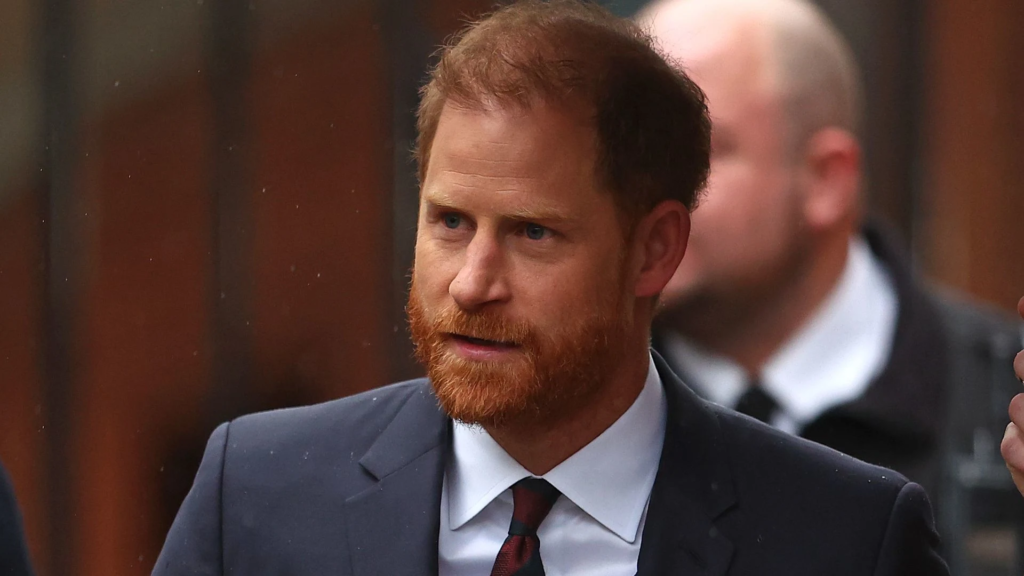
Marriage to Meghan Markle and Transition to a New Life
The romance between Prince Harry and Meghan Markle began in 2016 when they were introduced by mutual friends. Their relationship quickly garnered significant media attention due to Prince Harry’s status as a member of the British royal family and Meghan’s unique background as an American actress. The couple’s courtship, marked by a whirlwind of public interest, highlighted not only their compatibility but also the challenges they would soon face as public figures.
In 2018, Prince Harry and Meghan Markle celebrated their royal wedding at St. George’s Chapel in Windsor Castle. The wedding attracted a global audience, showcasing the couple’s commitment to each other. It symbolized a modern royal union, as Meghan became the first biracial woman to marry into the British royal family. The ceremony was filled with personal touches, including a performance by a gospel choir and a sermon that emphasized love and inclusivity, reflecting the couple’s progressive values.
However, their marriage was not just a fairytale; it came with mounting pressures. The relentless scrutiny and negative media coverage surrounding Meghan were unprecedented. Reports of racism and bullying in the press intensified, impacting both her mental health and their relationship. Furthermore, clashes with the royal family over their public roles and media portrayal added strain to their already challenging situation.
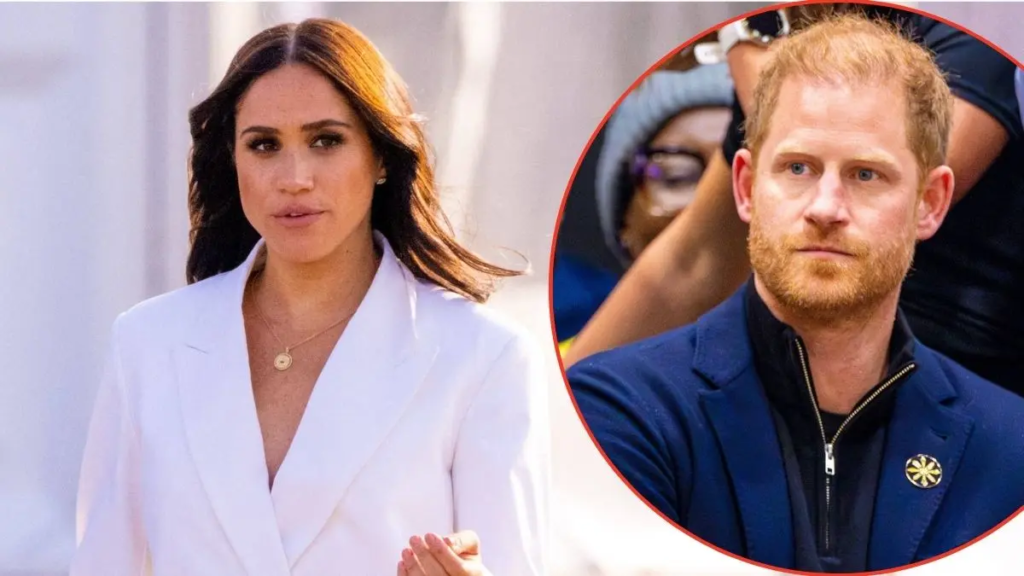
In early 2020, Prince Harry and Meghan Markle made the groundbreaking decision to step back from their royal duties. This unprecedented move aimed to protect their family’s wellbeing and to carve a new path away from royal expectations. Relocating to North America, they embraced a life focused on personal projects, philanthropy, and their young son, Archie. The decision sparked widespread debate, reflecting the complexities of navigating modern royalty.
Advocacy and Future Aspirations
Since stepping back from his royal duties, Prince Harry has focused on various initiatives that reflect his commitment to meaningful change. Notably, he has become a prominent advocate for mental health awareness, determined to break the stigma surrounding this critical issue. Alongside mental health campaigns, he has emphasized the importance of open conversations, making notable appearances on initiatives like the mental health documentary series, Harry & Oprah. Through these efforts, Prince Harry aims to inspire others to share their struggles and seek help, thus fostering a more inclusive environment.
In addition to mental health, Prince Harry has championed sustainable travel practices, understanding the urgency of addressing climate change. His work through Archewell, the non-profit organization established with Meghan Markle, reflects a vision centered on creating positive societal impact. Archewell engages in various philanthropic endeavors, aiming to provide support for underrepresented communities. This holistic approach to charity underscores Harry’s belief in the power of collective action and sustainable solutions.
Looking ahead, Prince Harry envisions a future where his efforts can contribute to global change, particularly in areas of mental health, climate activism, and social justice. His aspirations encompass not just philanthropy but a desire for a better world for his children, Archie and Lilibet. By instilling in them values of compassion and service, Prince Harry hopes to empower the next generation to continue the work he has begun. Ultimately, his journey reflects a commitment to creating a legacy that transcends royal titles and resonates with individuals worldwide.
