

Overview of Dallas Weather Patterns
The climate of Dallas, Texas, is characterized by its warm continental influences, leading to distinct seasonal variations that promote a unique weather pattern for the region. The city experiences hot summers, mild winters, and generally pleasant spring and autumn seasons, which contribute to its appeal as a year-round destination.
During the summer months, typically extending from June to September, the Dallas weather can be quite intense. Average high temperatures often exceed 90°F (32°C), with July being the hottest month. Alongside the heat, humidity levels can rise, making the weather feel even warmer. This combination can lead to the occasional summer thunderstorm, which offers a brief respite from the heat but can sometimes be severe.
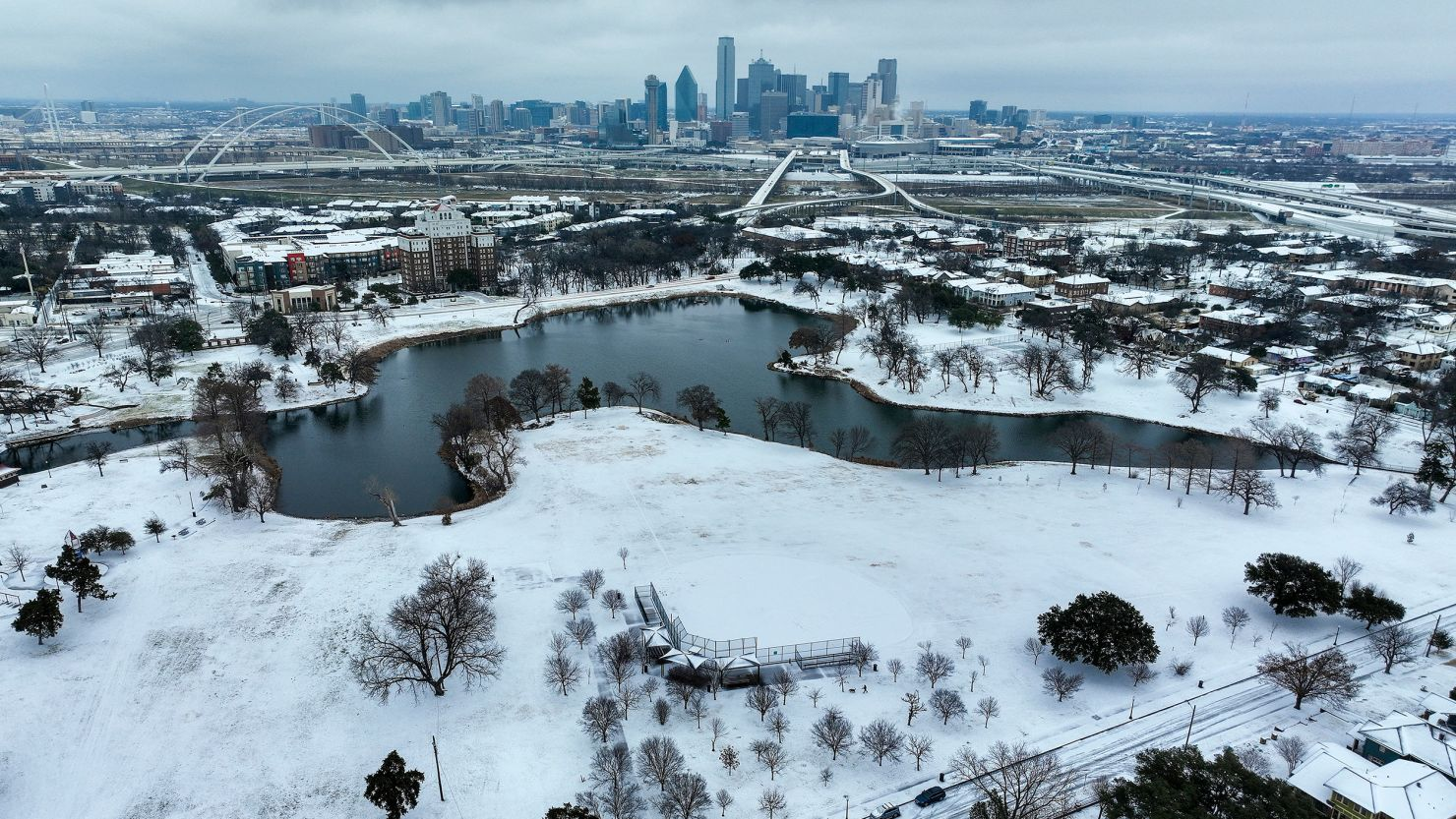
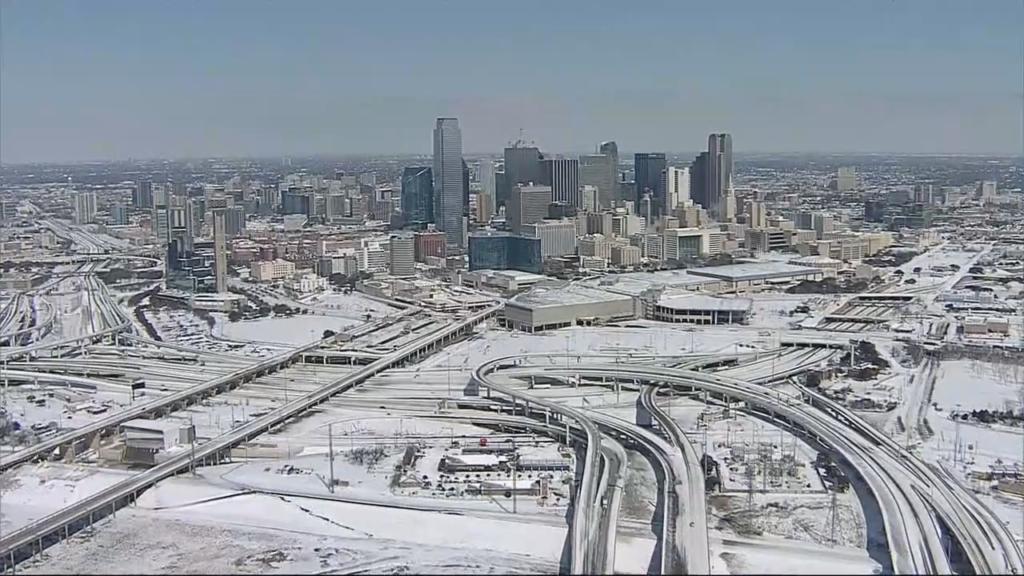
In contrast, winter in Dallas is comparatively mild. From December to February, temperatures usually range from the upper 30s to mid-50s°F (3°C to 13°C). Snowfall is infrequent but can occur, with ice storms being more common in this season. While mornings can be chilly, the afternoons often warm up, enabling residents to enjoy outdoor activities even in winter.
Spring and fall offer mild weather conditions that are generally more favorable for outdoor events and activities. Spring, with its blooming flowers and increasing temperatures, often experiences thunderstorms. Conversely, autumn typically features cooler temperatures and less humidity, marking a transition to the winter months. Understanding these weather patterns is essential for planning and enjoying life in Dallas, as they directly affect daily activities and long-term seasonal preparations.
Seasonal Breakdown of Dallas Weather
The climatic variations throughout the year greatly shape the Dallas weather experience, encompassing four distinct seasons: spring, summer, fall, and winter. Each season brings its own temperature ranges, precipitation patterns, and notable weather events.
Spring (March to May) in Dallas is characterized by mild temperatures and an increase in humidity. The average daytime highs hover around the mid-70s to mid-80s °F. However, this season is also notorious for its severe thunderstorms, with the potential for tornadoes. Rainfall is more frequent during spring, contributing to the flourishing landscapes across the region.
Moving into summer (June to August), residents experience a significant increase in temperatures, often soaring into the 90s °F and occasionally into the low 100s °F. The heat can be intense, and humidity adds to the discomfort. Thunderstorms continue to be a factor, but they usually provide brief relief from extreme temperatures. This season often boasts the highest rainfall, though it can be sporadic.
Fall (September to November) offers a welcome respite from the summer heat, with temperatures gradually declining into the 70s and 80s °F. The weather remains relatively dry, and the region’s foliage showcases vibrant autumn colors. This season is generally mild, but occasional cold fronts can sweep through, bringing cooler air and unpredictable rainfall.
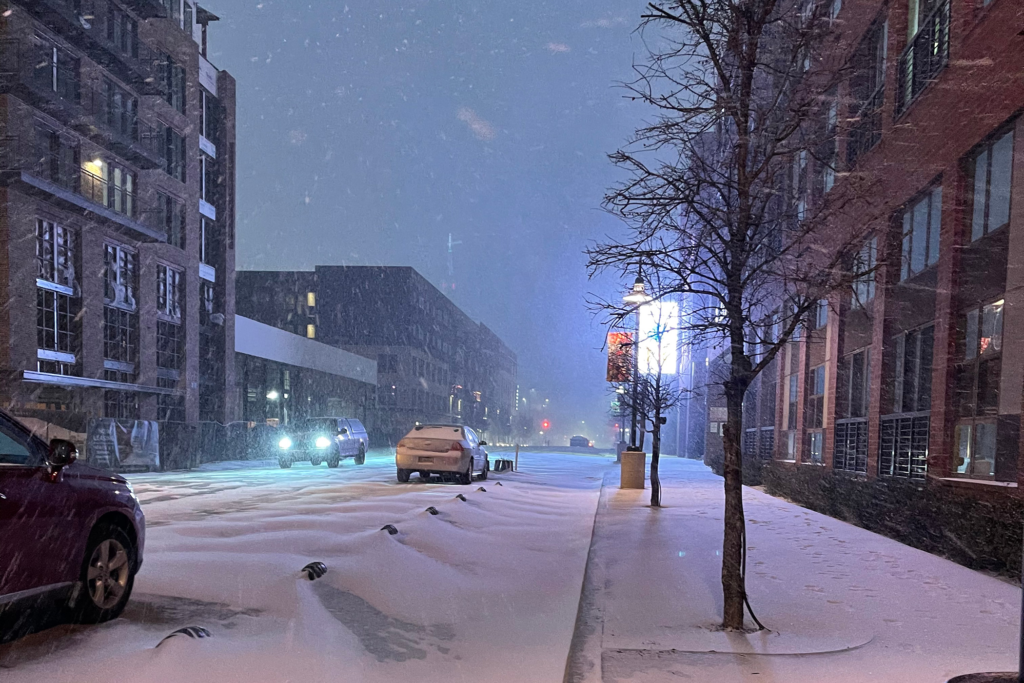
Winter (December to February) in Dallas is generally mild compared to other regions, with temperatures ranging from the mid-40s to low 60s °F. Snowfall is rare but possible, typically occurring only once every few years. Ice storms, however, can pose a significant hazard, causing temporary disruptions and challenges for residents.
Understanding these seasonal patterns allows residents and visitors alike to prepare appropriately for the various facets of Dallas weather, ensuring enjoyment of everything the Lone Star State has to offer.
How to Prepare for Dallas Weather
Preparing for the diverse and often unpredictable dallas weather requires both practical clothing choices and a consciousness of the seasonal variations. Residents and visitors alike should understand the importance of dressing appropriately to ensure comfort and safety throughout the year. During the hot summer months, lightweight, breathable fabrics like cotton or linen are advisable to help keep cool. Conversely, winters in Dallas, while typically mild, can occasionally dip into colder temperatures, necessitating warmer layers, such as a good quality jacket or fleece.
When venturing outdoors, tailored plans based on the season can enhance enjoyment while minimizing discomfort. Spring and fall are ideal for outdoor activities, as temperatures are generally pleasant and suitable for hiking or picnicking. However, it is crucial to be aware of the potential for sudden thunderstorms, particularly in the spring. Keeping an eye on weather forecasts and having an emergency action plan can prove beneficial during these instances.
Heatwaves are another concern associated with dallas weather. During extreme heat events, it is essential to stay hydrated, limit outdoor activities, and seek shade or air-conditioned environments as often as possible. If outdoor exposure is necessary, wearing sunscreen and a wide-brimmed hat can help protect against harmful UV rays. When faced with severe weather warnings, such as tornado alerts, residents should have a preparedness kit ready that includes essentials like water, non-perishable food, and a flashlight.
Overall, awareness and preparation significantly improve one’s ability to navigate the shifting climate in the Dallas area. By adhering to these recommendations, both residents and visitors can build resilience against the variable Texas climate.
Impact of Climate Change on Dallas Weather
The ongoing reality of climate change has begun to have profound effects on Dallas weather patterns, impacting everything from average temperatures to precipitation levels and the frequency of severe weather events. In the last few decades, a noticeable increase in average temperatures has been recorded, with summers becoming hotter and winters less severe. Dallas has experienced higher frequency of days with temperatures reaching extreme highs, which raises concerns regarding heat-related health risks for the population.
Moreover, precipitation patterns have notably shifted, with the region experiencing both intense rainfall leading to flooding and prolonged dry spells resulting in drought conditions. These fluctuations create challenges for water supply management, impacting agriculture and urban planning. Studies suggest that Dallas weather may witness more extreme weather events, including stronger storms and increased risks of tornadoes, due to the changing climate dynamics. This escalation poses threats not only to the infrastructure but also to the local ecosystem.
The implications of these changes are vast. The local environment is increasingly vulnerable as species adaptation becomes crucial, and biodiversity may dwindle if native habitats are lost or altered significantly. Additionally, the increased likelihood of extreme weather poses a direct threat to community safety, raising the demand for adaptive measures and emergency preparedness strategies.
As Dallas continues to experience the impacts of climate change, it will be essential for local authorities, businesses, and residents to formulate responses that address these challenges effectively. Initiatives could include enhancing infrastructure resilience, promoting sustainable practices, and engaging in community education to raise awareness about the changing landscape of Dallas weather.
