

Understanding Semana Santa: A Brief Overview
Semana Santa 2025, commonly known as Holy Week, is an annual observance that holds profound religious significance for millions of Christians around the globe. Taking place during the last week of Lent, it commemorates the passion, death, and resurrection of Jesus Christ. This deeply spiritual week includes palm-waving ceremonies, processions, and other rituals that reflect the profound connections between faith, tradition, and community.
This sacred observance has deep historical roots that can be traced back to the early Christian church when belief systems began to coalesce around commemorating the events leading up to Easter. Over the centuries, Semana Santa has evolved, integrating various cultural elements from the regions in which it is celebrated. For instance, countries in Latin America, Spain, and the Philippines each showcase unique customs and practices that add rich layers of meaning to the overarching narrative of Holy Week.
Semana Santa 2025 promises to be particularly noteworthy for several reasons. First, the dates of the observance in 2025 are of interest: it begins on Sunday, April 13, and culminates with Easter Sunday on April 20. This timing provides an opportunity for communities to engage in collective reflection and celebration. Additionally, many cities and towns are planning larger festivals, parades, and cultural events that highlight their regional customs.
As travelers and practitioners look forward to Semana Santa 2025, the anticipation surrounding these festivities provides a unique opportunity for cultural exchange and understanding. With its blend of solemnity and celebration, Semana Santa continues to be a powerful reminder of faith and community connection through the ages.
Key Events and Rituals of Semana Santa 2025
Semana Santa 2025, or Holy Week, is a pivotal period in the Christian calendar, characterized by a series of deeply religious and culturally significant events. In 2025, this vibrant celebration will fall from Palm Sunday on April 13 to Easter Sunday on April 20. Each day of this week hosts a variety of unique processions, ceremonies, and rituals, each reflective of a rich cultural heritage.
On Palm Sunday, devotees traditionally commemorate Jesus’ triumphant entry into Jerusalem, often marked by the blessing and procession of palm branches. This day sets the tone for the week ahead, with various churches hosting special services and reenactments. As the week progresses, some of the most notable events occur on Maundy Thursday and Good Friday. Maundy Thursday features the ceremonial washing of feet, reflecting Jesus’ humble service, followed by the iconic Last Supper observance. Here, participants engage in communion, embodying unity and reflection.
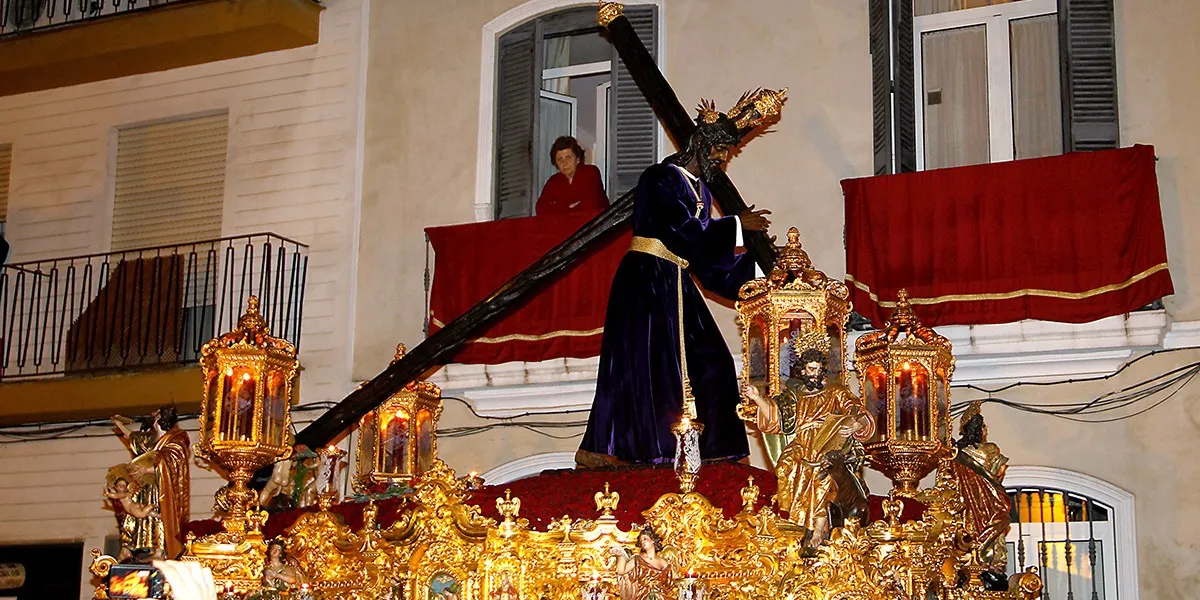
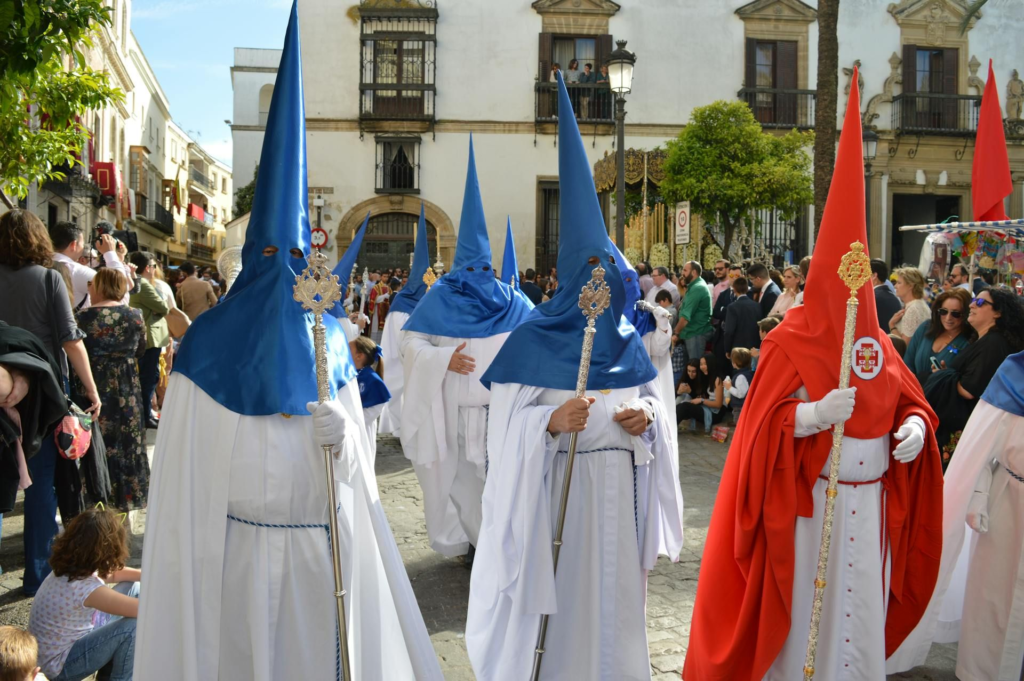
Good Friday is marked by somber processions, where participants dress in traditional attire to symbolize penance, conveying the gravity of Christ’s crucifixion. Many cities, particularly in Spain and Latin America, hold elaborate processions featuring ornate floats and effigies, providing a visual representation of the Passion of Christ.
As we move towards Easter Sunday, festivities transition from solemnity to celebration, culminating in joyous Easter morning services. These services often include sunrise gatherings on church grounds, filled with hymns of resurrection and renewal. In 2025, special modifications, including interactive community events and enhanced artistic presentations, are expected to make the Semana Santa celebrations even more engaging for both locals and visitors alike.
The vibrant tapestry of events during Semana Santa 2025 not only provides spiritual nourishment but also invites everyone to partake in cultural traditions that have been passed down through generations.
Cultural Significance of Semana Santa in 2025
The celebration of Semana Santa, or Holy Week, transcends its religious roots and has evolved into a significant cultural phenomenon in various communities around the world. In 2025, as regions prepare for this time-honored tradition, the coming together of communities becomes even more evident. The events of Semana Santa serve as a platform for people from diverse social backgrounds to unite, allowing for a rich tapestry of cultural expressions.
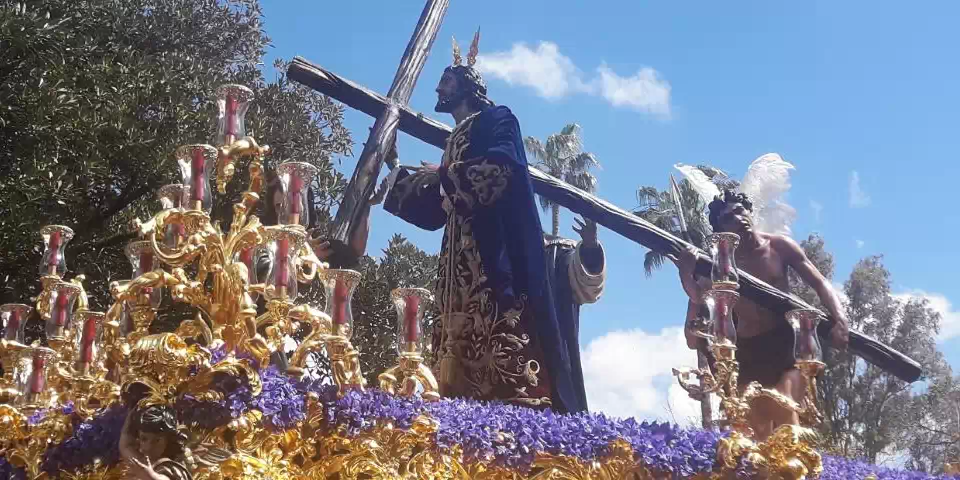
During Semana Santa 2025, one can observe vibrant processions filled with elaborate floats, music, and traditional attire that showcase the artistic heritage of the region. Local artisans work diligently to create stunning visual displays that not only honor religious events but also highlight local craftsmanship and history. This communal effort fosters a sense of pride among participants, reinforcing regional identities and cultural narratives.
Moreover, the involvement of various social groups—from schools to non-profits—further emphasizes the collective spirit of the celebrations. Community workshops prepare participants not only for the festivities but also create spaces for dialogue, sharing personal stories that often serve to deepen connections between generations. As families pass down traditions from one year to the next, younger participants develop a greater appreciation for their cultural heritage.
Interviews with individuals actively involved in the Semana Santa 2025 festivities reveal emotional connections, where memories of past gatherings shape their experiences this year. These narratives illustrate how such events become a cornerstone of communal identity, fostering a deep sense of belonging. As such, Semana Santa stands not just as a time for religious observance, but as a celebration of culture and community, allowing individuals to reflect on their shared values and histories.
Planning Your Semana Santa 2025 Experience
Experiencing Semana Santa 2025 offers a unique opportunity to witness one of the most vibrant and culturally rich festivals in the world. To make the most of your experience, careful planning is essential. Start by selecting the right destination; cities such as Seville, Malaga, and Granada are renowned for their grand processions and elaborate displays. Each location offers distinct traditions, so researching ahead will ensure a fulfilling visit.
Accommodation is another critical aspect of your planning. During Semana Santa 2025, hotels and guesthouses can be in high demand, particularly in popular cities. It is wise to book your accommodations well in advance to secure a comfortable stay. Consider options that are centrally located so you can easily access the various processions and events throughout the week.
Culinary experiences also play an essential role during Semana Santa. Different regions boast unique dishes that are significant to the festival. In Seville, you should not miss trying ‘torrijas,’ a traditional Spanish dessert similar to French toast. Additionally, sampling local wines and the famous tapas can enhance your cultural immersion. Be sure to explore local markets and eateries to experience the authentic flavors of the region during your visit.
While engaging with the festivities, observing proper etiquette is crucial. Remember that many processions have deep religious significance, so maintaining a respectful demeanor is required. It is customary to dress modestly and avoid disruptive behavior, as these customs are observed by both locals and visitors alike. Being mindful of these local traditions will enrich your experience while respecting the cultural context.
Conclusion
In conclusion, by planning your Semana Santa 2025 experience with ample research on locations, accommodations, cuisine, and etiquette, you will be well-equipped to engage meaningfully in this remarkable celebration. This preparation allows you to fully appreciate the spiritual and artistic heritage that Semana Santa embodies.
