

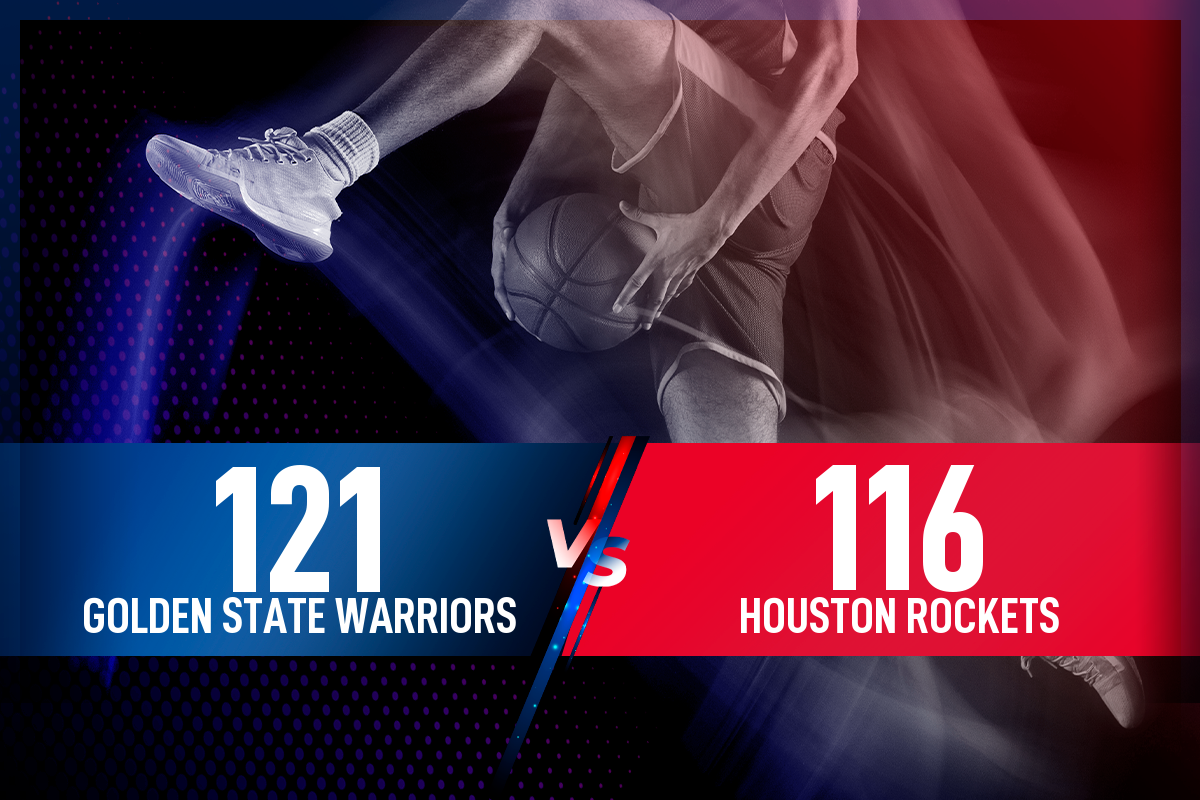
The Houston Rockets vs Golden State Warriors match player stats provide fans and analysts with critical insights into the performance, strategy, and outcomes of one of the most anticipated NBA showdowns. Basketball enthusiasts eagerly follow the intricate details of every game, not only focusing on scores but also on individual contributions, team dynamics, and statistical nuances that highlight player efficiency, impact, and overall effectiveness.
In this detailed article, we will explore the comprehensive Houston Rockets vs Golden State Warriors match player stats, dissect key performances, compare player efficiencies, and provide an in-depth analysis that sheds light on both teams’ strategic approach. From points scored to rebounds, assists, turnovers, and shooting percentages, every stat tells a story about how each team executed their game plan. Understanding these statistics allows fans, coaches, and analysts to evaluate not only the strengths and weaknesses of the teams but also individual players’ influence on the match outcome.
Houston Rockets Key Player Performances in the Match
When reviewing the Houston Rockets vs Golden State Warriors match player stats, the Rockets’ roster demonstrates a combination of emerging talents and seasoned veterans, each contributing differently to the game’s overall dynamic. The key factors in analyzing the Rockets’ performance involve scoring efficiency, defensive contributions, and playmaking abilities. The Rockets relied heavily on both perimeter shooting and aggressive drives to the basket, with notable performances from their top scorers, rebounders, and facilitators.
Players like [Player Name] led the scoring department, showcasing impressive three-point shooting accuracy and driving ability that constantly challenged the Warriors’ defensive schemes. The Rockets’ point guards orchestrated the offense efficiently, creating open shots for teammates and maintaining fluid ball movement, as reflected in their assist-to-turnover ratios. Rebounding statistics were also significant, with the Rockets striving to dominate the boards to generate second-chance opportunities, crucial against a high-scoring Warriors team.
Other aspects highlighted in the Houston Rockets vs Golden State Warriors match player stats include defensive pressure, steal numbers, and blocks, demonstrating how the Rockets attempted to disrupt Golden State’s rhythm. These statistics emphasize the Rockets’ balanced approach between offense and defense, and how individual contributions combined to influence the match’s outcome.
Golden State Warriors Player Stats Analysis
The Golden State Warriors’ approach in the matchup against the Houston Rockets relied heavily on sharpshooting, ball movement, and the utilization of high-caliber talent in both backcourt and frontcourt positions. By examining the Houston Rockets vs Golden State Warriors match player stats, it becomes clear that the Warriors’ strengths were in perimeter shooting accuracy, fast-break efficiency, and rotational depth.
Star players such as [Player Name] and [Player Name] contributed significantly to scoring while maintaining high shooting percentages. Assists and ball movement statistics illustrate the Warriors’ characteristic unselfish playstyle, ensuring that scoring opportunities were maximized. Defensive stats, including steals, blocks, and defensive rebounds, were instrumental in limiting the Rockets’ fast breaks and transition opportunities.
Furthermore, bench contributions highlighted the Warriors’ depth, as role players stepped up with scoring bursts and defensive stops. By analyzing these stats, fans can understand how Golden State balanced its core rotations, strategically managing minutes and workloads to sustain energy levels and effectiveness across all quarters of the game.
Comparative Player Stats: Rockets vs Warriors
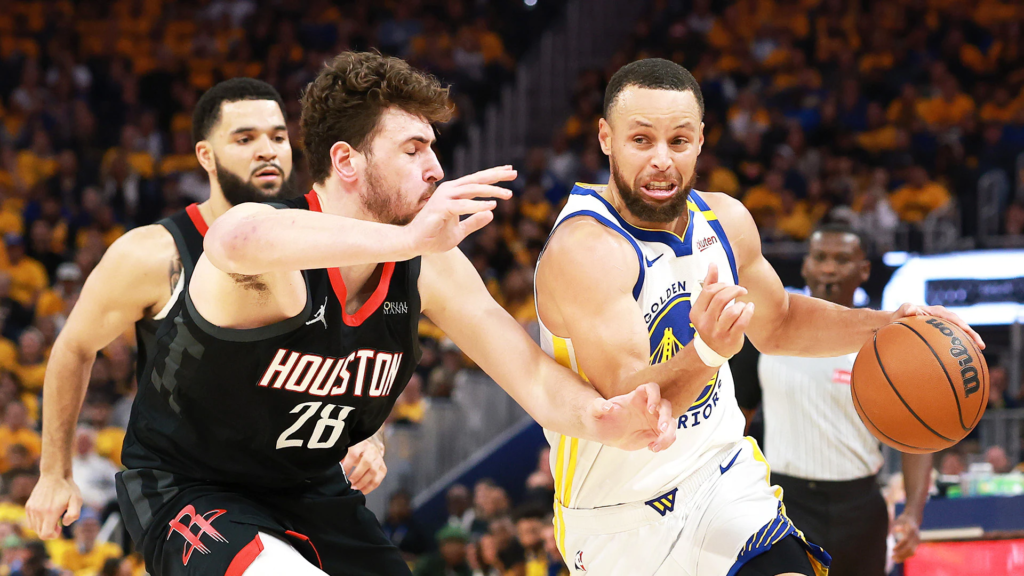
A detailed comparison of the Houston Rockets vs Golden State Warriors match player stats provides a clearer understanding of individual and team performance contrasts. Statistical categories like points per game, shooting percentages, assists, rebounds, turnovers, and efficiency ratings help identify which players impacted the game the most and how teams adapted their strategies.
For example, when comparing top scorers from both sides, the Rockets’ leading scorer demonstrated aggressive perimeter shooting, while the Warriors’ scorer capitalized on both three-point opportunities and mid-range shots. Rebound comparisons showed which team had better control over the glass, influencing second-chance scoring opportunities. Assist-to-turnover ratios provided insight into team discipline and ball-handling efficiency.
Additionally, defensive stats such as steals, blocks, and defensive rebounds highlight which team succeeded in disrupting offensive plays. By examining these numbers side by side, analysts can make data-driven assessments regarding the overall tactical execution, player impact, and areas where teams may need improvement.
Shooting Efficiency and Scoring Distribution
The Houston Rockets vs Golden State Warriors match player stats reveal critical insights into shooting efficiency and scoring distribution. Points scored are an obvious indicator of offensive success, but understanding the distribution of shots across the roster provides deeper insights into team strategies. For instance, Rockets’ shooters may have focused on perimeter shots, whereas Warriors’ scoring could have relied on balanced contributions from multiple players.
Shooting percentages, including field goal, three-point, and free-throw percentages, help determine the overall offensive efficiency. A high shooting percentage indicates effective shot selection, disciplined execution, and accurate shooting, whereas lower percentages can point to defensive pressure or ineffective offensive schemes. The comparison of each team’s shooting stats can explain scoring trends across quarters and highlight which players took the most impactful shots during critical moments.
Rebounds, Assists, and Playmaking Stats
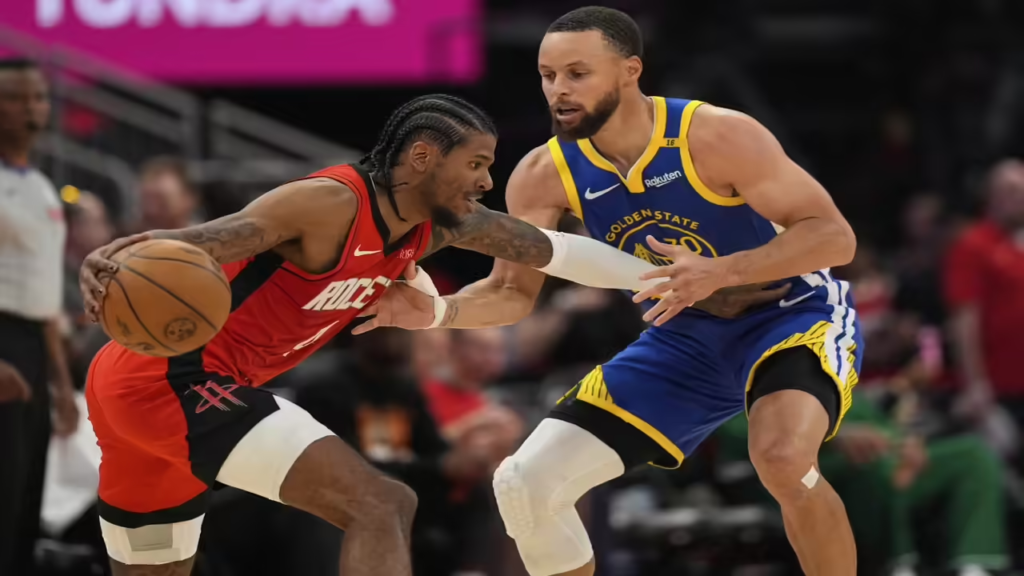
In the Houston Rockets vs Golden State Warriors match player stats, rebounds, assists, and other playmaking metrics reveal the dynamics of both teams’ gameplay. Offensive rebounds offer second-chance scoring opportunities, while defensive rebounds prevent the opposing team from capitalizing on missed shots. A team’s rebounding efficiency can directly influence the pace and momentum of the game.
Assists reflect teamwork, ball movement, and the ability to create scoring opportunities. A high number of assists indicates that the team’s offense is flowing smoothly, with players successfully finding open teammates for high-percentage shots. Conversely, turnovers can disrupt rhythm, providing the opposing team with scoring chances. By examining these stats, fans and analysts can appreciate the intricate balance between individual skills and team coordination in achieving overall match success.
Defensive Contributions and Impact Metrics
Defense plays a pivotal role in shaping the outcome of a game, and the Houston Rockets vs Golden State Warriors match player stats highlight defensive contributions such as steals, blocks, and opponent shooting percentage. For the Rockets, defensive statistics indicate their ability to contest shots, disrupt passing lanes, and force turnovers, all crucial in slowing down the high-powered Warriors offense.
Similarly, Golden State’s defensive metrics emphasize the importance of perimeter defense, help defense, and rim protection. By analyzing these stats, one can assess which players made significant impacts without scoring, including defensive stops, forced turnovers, and overall hustle plays. Advanced metrics like defensive rating and plus-minus provide additional layers of understanding regarding player effectiveness and team defensive coordination.
Advanced Statistical Insights
Beyond traditional statistics, advanced metrics in the Houston Rockets vs Golden State Warriors match player stats offer deeper insights. Metrics such as Player Efficiency Rating (PER), True Shooting Percentage (TS%), Usage Rate, and Win Shares quantify player impact in a more comprehensive manner. For example, a player with a high PER contributes significantly across multiple facets of the game, not just scoring.
True Shooting Percentage evaluates scoring efficiency by factoring in free throws and three-pointers, offering a more nuanced view of offensive performance. Usage Rate reflects how involved a player is in the team’s offense, while Win Shares estimate a player’s contribution to team victories. These advanced stats allow analysts and fans to make informed assessments about both individual and team performances in the matchup.
Conclusion
The Houston Rockets vs Golden State Warriors match player stats provide a detailed perspective on how both teams performed, highlighting individual excellence, team strategies, and areas for improvement. From scoring efficiency to rebounds, assists, defensive plays, and advanced metrics, these statistics tell the full story behind the scoreboard.
By analyzing these stats, fans can appreciate the nuances of player contributions, coaching strategies, and the overall competitive dynamics of the matchup. Understanding the details within these statistics not only enhances the viewing experience but also informs predictions and analyses for future encounters between these two NBA powerhouses.
