

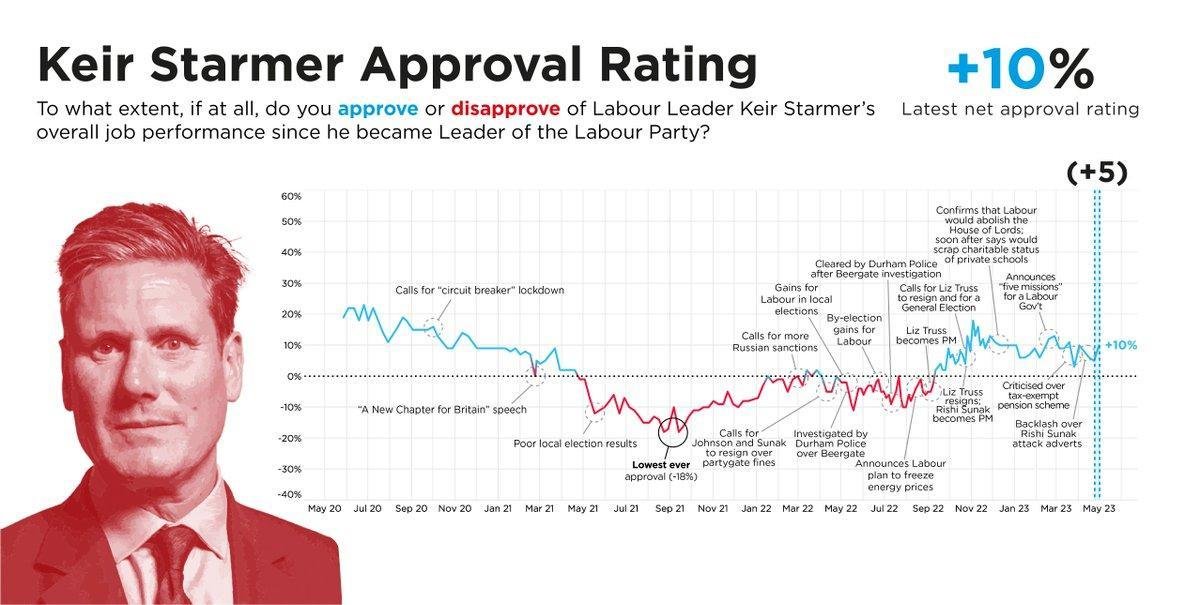
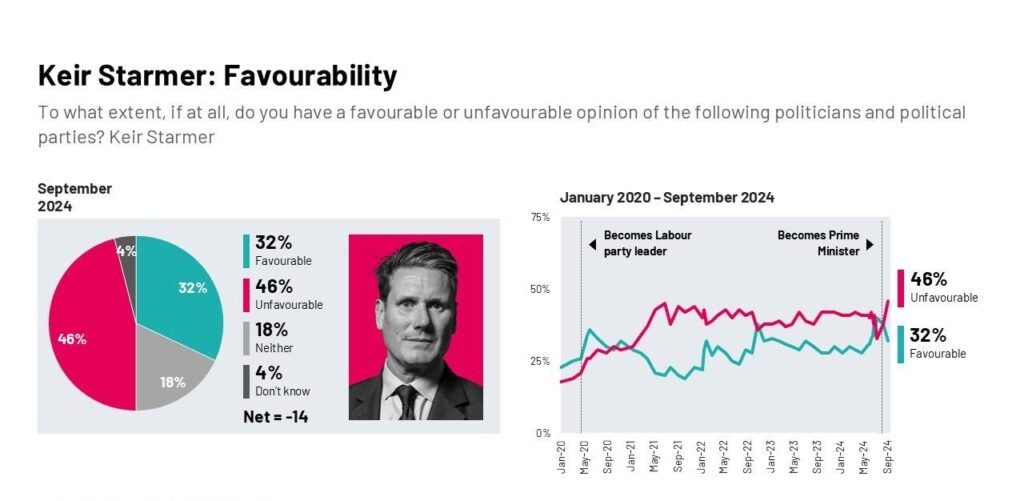
The Keir Starmer approval rating has become a significant measure of public sentiment in modern British politics. As the leader of the Labour Party, Keir Starmer’s popularity is closely watched by political analysts, voters, and media organizations alike. Approval ratings are more than just numerical indicators; they represent trust, confidence, and public expectations regarding leadership. In an era marked by economic uncertainty, social change, and shifting political priorities, understanding the Keir Starmer approval rating provides valuable insight into how the public views his leadership and political direction.
Approval ratings play a crucial role in shaping political narratives. They influence party morale, media framing, and voter confidence ahead of elections. The Keir Starmer approval rating, in particular, reflects how effectively he has positioned himself as a credible alternative to the governing party. By examining leadership style, policy positions, public perception, and long-term trends, a clearer picture emerges of what drives public opinion and how it may evolve in the future.
Keir Starmer Approval Rating and Leadership Style
The Keir Starmer approval rating is strongly influenced by his leadership style, which differs significantly from that of previous Labour leaders. Starmer has consistently projected an image of professionalism, discipline, and seriousness. With a background in law and public service, he presents himself as a calm and methodical leader focused on competence rather than populism. This approach has resonated with many voters who value stability and measured decision-making.
At the same time, critics argue that this cautious style can sometimes appear uninspiring. While moderation and restraint help appeal to centrist voters, some segments of the electorate prefer bold rhetoric and decisive action. These contrasting perceptions directly affect the Keir Starmer approval rating, highlighting how leadership style can attract certain voter groups while leaving others unconvinced. Nevertheless, his consistent tone and avoidance of controversy have helped maintain a relatively steady approval profile.
Public Perception and Keir Starmer Approval Rating
Public perception is a central factor behind the Keir Starmer approval rating. Voters tend to evaluate leaders not only on policies but also on personal credibility, communication skills, and perceived integrity. Starmer’s emphasis on honesty, accountability, and competence has contributed to an image of reliability. For many voters, especially those disillusioned with political instability, this perception enhances his approval.
Neutral and undecided voters play a particularly important role in shaping approval ratings. The Keir Starmer approval rating benefits from his ability to appeal beyond the traditional Labour base. By avoiding extreme positions and focusing on practical solutions, he has positioned himself as a leader capable of representing a broad spectrum of society. This balanced image strengthens public confidence, even among those who may not fully align with his party’s ideology.
Media Influence on Keir Starmer Approval Rating
Media coverage significantly affects the Keir Starmer approval rating, as news outlets shape public narratives around his leadership. Positive media attention often highlights his policy expertise, calm demeanor, and readiness for governance. Negative coverage, on the other hand, may focus on perceived indecisiveness or lack of charisma. These contrasting portrayals influence how different audiences perceive his effectiveness.
Social media has also emerged as a powerful force in shaping approval ratings. Online discussions, viral content, and political commentary can amplify both praise and criticism. The Keir Starmer approval rating is therefore not only influenced by traditional media but also by digital platforms where public opinion can shift rapidly. Managing this media landscape effectively remains a key challenge for sustaining positive public sentiment.
Economic Policies and Keir Starmer Approval Rating
Economic policy remains one of the most influential factors affecting the Keir Starmer approval rating. Issues such as inflation, cost of living, taxation, and public spending directly impact voters’ daily lives. Starmer’s economic stance emphasizes fiscal responsibility alongside social fairness, aiming to balance economic growth with public welfare.
This pragmatic approach appeals to voters seeking economic stability during uncertain times. The Keir Starmer approval rating tends to strengthen when his economic messaging aligns with public concerns about affordability and security. Clear communication of long-term economic plans can further enhance public trust, as voters are more likely to support leaders who demonstrate a realistic understanding of economic challenges.
Social Issues and Keir Starmer Approval Rating
Social policies play a crucial role in shaping the Keir Starmer approval rating. Healthcare, education, housing, and social equality are key areas where public expectations are high. Starmer’s focus on improving public services and addressing social inequalities resonates with voters who prioritize fairness and access to essential resources.
Consistency is particularly important when it comes to social issues. When policies are communicated clearly and supported by practical proposals, the Keir Starmer approval rating benefits from increased credibility. Conversely, mixed messaging or unclear priorities can weaken public confidence. Maintaining alignment between values and actions is therefore essential for sustaining approval in this area.
Opposition Leadership and Keir Starmer Approval Rating
As an opposition leader, Keir Starmer’s approval rating is closely linked to his ability to challenge the government effectively. Voters expect opposition leaders to hold those in power accountable while offering credible alternatives. Starmer’s emphasis on evidence-based criticism and constructive debate positions him as a responsible political figure.
This measured approach appeals to voters who are weary of confrontational politics. The Keir Starmer approval rating often reflects appreciation for his focus on solutions rather than rhetoric. By presenting himself as a potential prime minister rather than merely an opponent, he strengthens his standing among undecided voters.
Historical Trends in Keir Starmer Approval Rating
Examining historical trends provides deeper insight into the Keir Starmer approval rating. Since assuming leadership, his approval levels have experienced fluctuations in response to major political events, policy announcements, and national crises. Early in his leadership, approval ratings showed gradual improvement as he worked to unify the party and establish a clear direction.
Over time, external factors such as economic pressures and global challenges have influenced public opinion. These shifts demonstrate that the Keir Starmer approval rating is dynamic rather than static. Analysts often emphasize long-term trends over short-term changes, as sustained patterns are more indicative of a leader’s overall public standing.
Voter Demographics and Keir Starmer Approval Rating
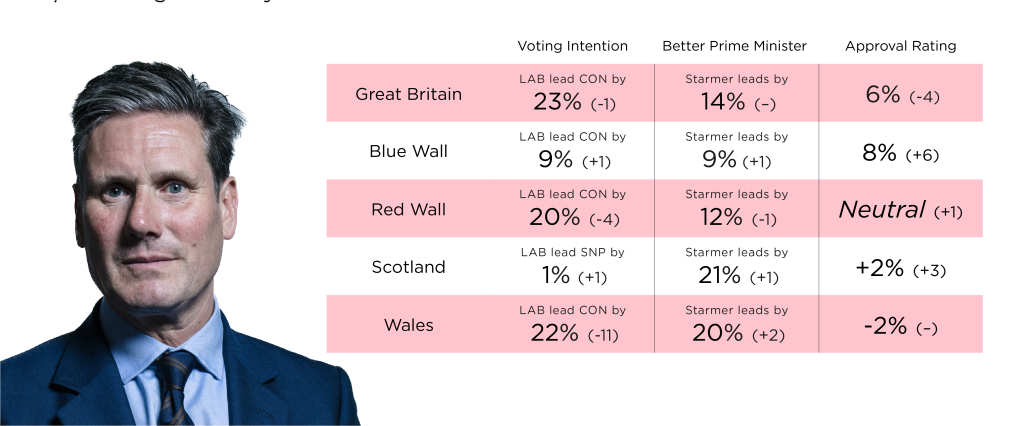
Different voter demographics perceive the Keir-Starmer-approval-rating through varied lenses. Younger voters are often drawn to his emphasis on social justice and equality, while older voters may value his experience and commitment to stability. Working-class communities tend to focus on economic security and public services, both of which influence their level of approval.
This demographic diversity underscores the complexity of approval ratings. The Keir Starmer approval rating cannot be attributed to a single voter group or issue. Instead, it reflects a combination of priorities across age, income, and regional lines. Successfully addressing these diverse concerns is key to maintaining broad-based support.
Keir Starmer Approval Rating and Party Unity
Party unity is another important factor affecting the Keir-Starmer-approval-rating. Internal divisions can undermine public confidence, while a unified party presents an image of readiness for governance. Starmer’s efforts to promote discipline and cohesion within the Labour Party contribute positively to his public image.
When voters perceive a leader as capable of managing internal challenges, they are more likely to view them as fit for national leadership. The Keir Starmer approval rating benefits from this perception of control and organization, particularly during times of political uncertainty.
Future Outlook of Keir Starmer Approval Rating
The future of the Keir Starmer approval rating will depend on several key factors, including policy delivery, communication strategy, and response to emerging challenges. As elections approach, approval ratings often become more volatile, reflecting heightened scrutiny from voters and media alike.
If Starmer continues to articulate a clear vision and demonstrate practical leadership, his approval rating may see sustained growth. Consistency, credibility, and responsiveness to public concerns will remain critical. The Keir Starmer approval rating will ultimately serve as a barometer of voter confidence heading into future electoral contests.
Keir Starmer Approval Rating and Political Stability
Political stability is closely linked to public trust in leadership, making the Keir Starmer approval rating an important indicator of broader national sentiment. Leaders who inspire confidence contribute to a more stable political environment. Starmer’s calm and deliberate approach supports this sense of stability, reinforcing positive perceptions among voters.
However, political and economic uncertainty can challenge even the most stable approval ratings. How effectively Starmer navigates these pressures will play a decisive role in shaping future public opinion. A strong and consistent response to national issues can help maintain resilience in the Keir Starmer approval rating.
Conclusion
The Keir Starmer approval rating is a multifaceted reflection of public trust, leadership effectiveness, and political credibility. Influenced by leadership style, media portrayal, economic policy, and social priorities, it provides valuable insight into how voters perceive his role as a national leader. Approval ratings are not merely statistical measures but indicators of broader public sentiment and expectations.
