

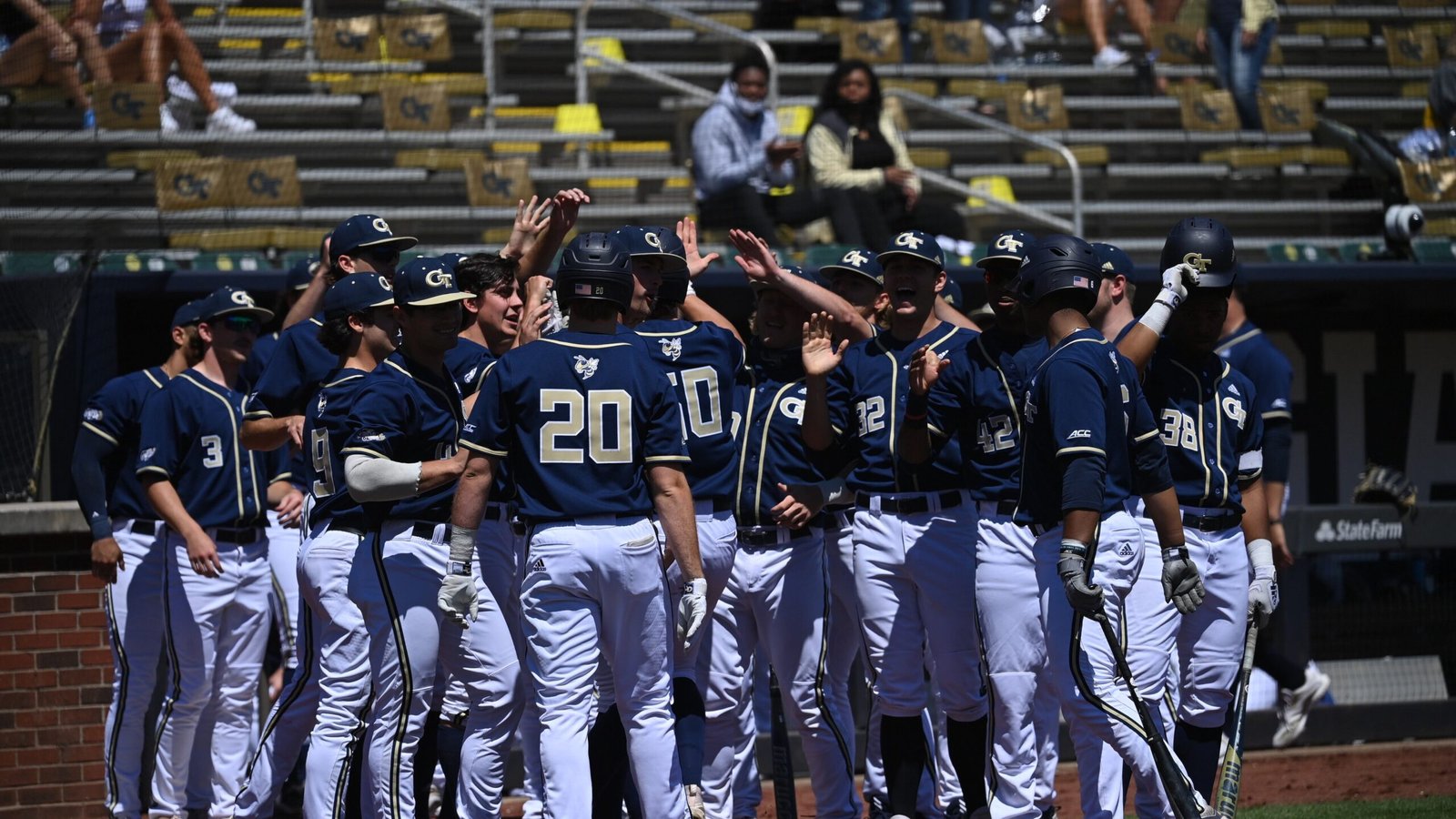
The NCAA baseball postseason is one of the most competitive and unpredictable tournaments in college sports. Every season, fans, analysts, and teams closely follow NCAA baseball tournament projections to understand which programs are likely to earn regional hosts, national seeds, or at-large bids. These projections shape expectations long before Selection Monday arrives and often spark debate across the college baseball landscape.
Unlike other college sports, baseball projections rely on a blend of analytics, strength of schedule, conference performance, and late-season momentum. As a result, NCAA baseball tournament projections constantly shift throughout the season, making them essential reading for fans who want to stay ahead of bracket trends.
In this comprehensive guide, we will explore how NCAA baseball tournament projections are made, which factors influence them most, how conference play affects the bracket, and which teams typically rise or fall late in the season. Whether you are a casual fan or a serious college baseball follower, this article provides a clear and detailed breakdown of the tournament outlook.
Understanding NCAA Baseball Tournament Projections and Their Importance
At their core, NCAA baseball tournament projections are educated predictions about which teams will qualify for the 64-team NCAA Baseball Tournament and how those teams may be seeded. These projections are created by analysts, media outlets, and data-driven models that study team performance throughout the season.
The NCAA Baseball Tournament consists of 64 teams divided into regionals, super regionals, and ultimately the College World Series. Because only a limited number of at-large bids are available, projections help teams understand where they stand in relation to the bubble. For fans, projections provide insight into potential matchups and postseason storylines.
Importantly, projections are not official selections. However, they often mirror the selection committee’s thinking, especially later in the season when sample sizes are larger. This makes NCAA baseball tournament projections a reliable tool for tracking postseason chances.
Key Metrics Used in NCAA Baseball Tournament Projections
One of the most critical aspects of accurate NCAA baseball tournament projections is understanding the metrics used to evaluate teams. Unlike simple win-loss records, the NCAA selection committee looks at a wide range of data points.
Strength of schedule plays a major role, as teams that challenge themselves against elite opponents are rewarded. RPI (Ratings Percentage Index), while imperfect, remains a foundational metric in most projections. Additionally, newer analytical tools such as KPI, strength of record, and road performance help provide context beyond raw numbers.
Conference wins are also heavily weighted, especially in leagues with strong national reputations. Teams that dominate competitive conferences often receive favorable projections even if their overall record is not elite. These metrics combined allow analysts to build balanced and realistic NCAA baseball tournament projections.
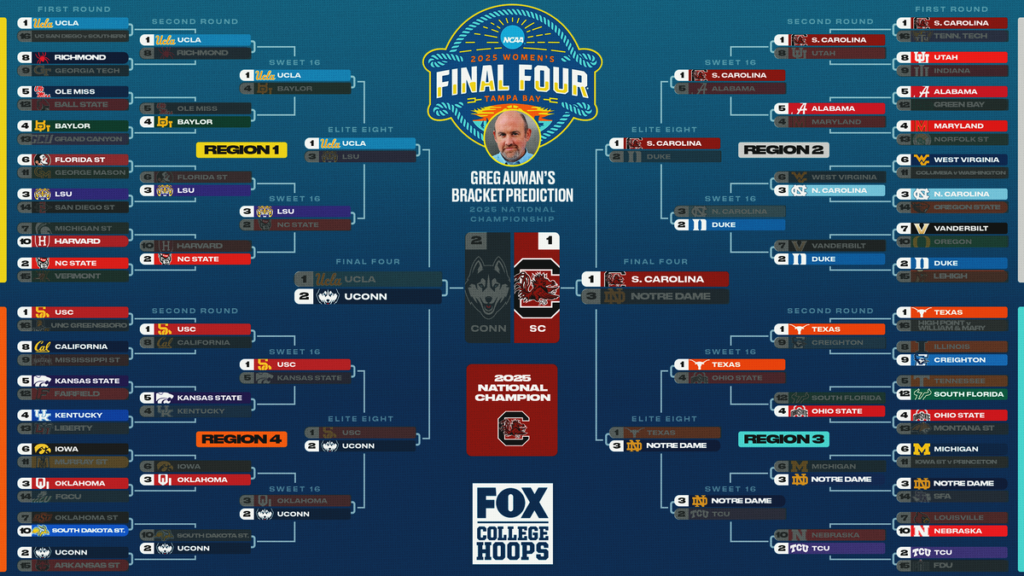
Role of Conference Play in NCAA Baseball Tournament Projections
Conference performance is one of the strongest drivers behind NCAA baseball tournament projections. Power conferences such as the SEC, ACC, Big 12, and Pac-12 frequently send multiple teams to the tournament, while mid-major leagues often fight for limited spots.
Winning a conference series on the road can dramatically improve a team’s projection, while getting swept late in the season can push a bubble team out of the field entirely. Conference tournaments also add another layer of complexity, as automatic bids can steal spots from teams that were previously projected safely in.
National Seeds and Hosting Predictions Explained
One of the most discussed elements of NCAA baseball tournament projections is the race for national seeds and regional hosting rights. The top 16 teams earn the opportunity to host regionals, while the top eight national seeds receive favorable super regional placement.
Projections for hosts focus heavily on home performance, quality wins, and consistency across the season. Teams that dominate at home against strong opponents tend to rise quickly in hosting projections. Conversely, late-season slumps can cost teams the chance to play postseason games in familiar environments.
Bubble Teams and At-Large Bid Projections
Few areas generate more debate than bubble teams. NCAA baseball tournament projections often highlight a group of programs sitting just inside or outside the tournament field. These teams are separated by razor-thin margins, and one series can drastically change their postseason fate.
Analysts examine head-to-head results, road wins, and performance against top-50 RPI opponents to differentiate bubble teams. Late-season conference series and tournament play are often decisive, making projections volatile until the final days.
Impact of Injuries and Roster Depth on Projections
Roster health plays a subtle but significant role in NCAA baseball tournament projections. While injuries are not always directly factored into official metrics, analysts often adjust projections when key pitchers or everyday players are unavailable.
Teams with strong pitching depth tend to maintain stable projections even when facing injuries, while those relying on one or two arms may slide quickly. Late-season injuries to starting pitchers can be especially damaging, as postseason success depends heavily on rotation strength.
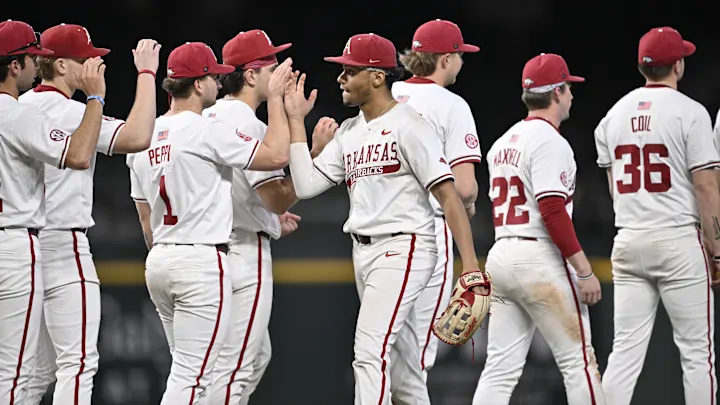
How Mid-Major Programs Fit Into NCAA Baseball Tournament Projections
Mid-major teams face unique challenges in NCAA baseball tournament projections. Without the benefit of power-conference schedules, these programs must dominate their leagues or secure notable non-conference wins to earn at-large consideration.
Projections for mid-majors often hinge on road performance against ranked opponents and consistency within conference play. A single bad series can significantly hurt their resume, while a surprise sweep against a power-conference team can elevate their national standing.
Late-Season Trends That Shape NCAA Baseball Tournament Projections
Momentum matters greatly in NCAA baseball tournament projections. Teams that peak late often receive favorable consideration, while early-season success can fade if not sustained.
Analysts closely watch final conference series, road performance in hostile environments, and consistency in pitching rotations. Strong finishes signal readiness for postseason pressure, a factor that often aligns with the selection committee’s decisions.
Comparing Expert Projections vs Selection Committee Decisions
While NCAA baseball tournament projections are highly informed, they do not always match the final selections exactly. The committee occasionally surprises analysts by valuing certain metrics differently or rewarding teams with unique resumes.
However, discrepancies are usually minor, especially in the final projections before selection. This consistency reinforces the credibility of projections as a predictive tool and a way to understand the committee’s mindset.
Why NCAA Baseball Tournament Projections Matter to Fans and Teams
Beyond predictions, NCAA baseball tournament projections influence how fans engage with the sport. They add context to regular-season games, turning midweek matchups and conference series into high-stakes events.
For teams, projections serve as motivation and feedback. Coaching staffs use them to evaluate resume strength and emphasize areas that need improvement. While teams publicly downplay projections, their influence is undeniable.
Final Thoughts on NCAA Baseball Tournament Projections
The road to the College World Series begins long before the first regional pitch is thrown. NCAA baseball tournament projections provide a valuable lens through which fans and analysts can understand the evolving postseason picture.
By examining metrics, conference play, momentum, and roster strength, projections offer insight into which teams are poised for success and which are fighting to stay alive. While no projection is perfect, following them adds depth and excitement to every stage of the season.
