

What is a Stock Split?
A stock split is a corporate action in which a company divides its existing shares into multiple shares, thereby decreasing the price of each share while keeping the overall market capitalization the same. This process does not alter the company’s fundamental value; rather, it simply increases the number of shares available while proportionately reducing the share price. For instance, in a 2-for-1 nvda stock split, a shareholder would end up with two shares worth half the price of the original share.
Companies often choose to implement stock splits for several reasons. Primarily, a lower stock price can make shares more accessible for retail investors, enhancing liquidity in the market. When shares become prohibitively expensive, a stock split can broaden the investor base and help maintain a competitive position in the market. Furthermore, higher trading volumes following a split may bolster market interest in the company’s stock.
There are two prevalent types of stock splits: forward stock splits and reverse stock splits. A forward stock split increases the number of shares while reducing the share price, as previously mentioned. Conversely, a reverse stock split consolidates shares, increasing the share price by reducing the overall number of shares in circulation. Companies may opt for this during times of low share prices to enhance their perceived value in the market.
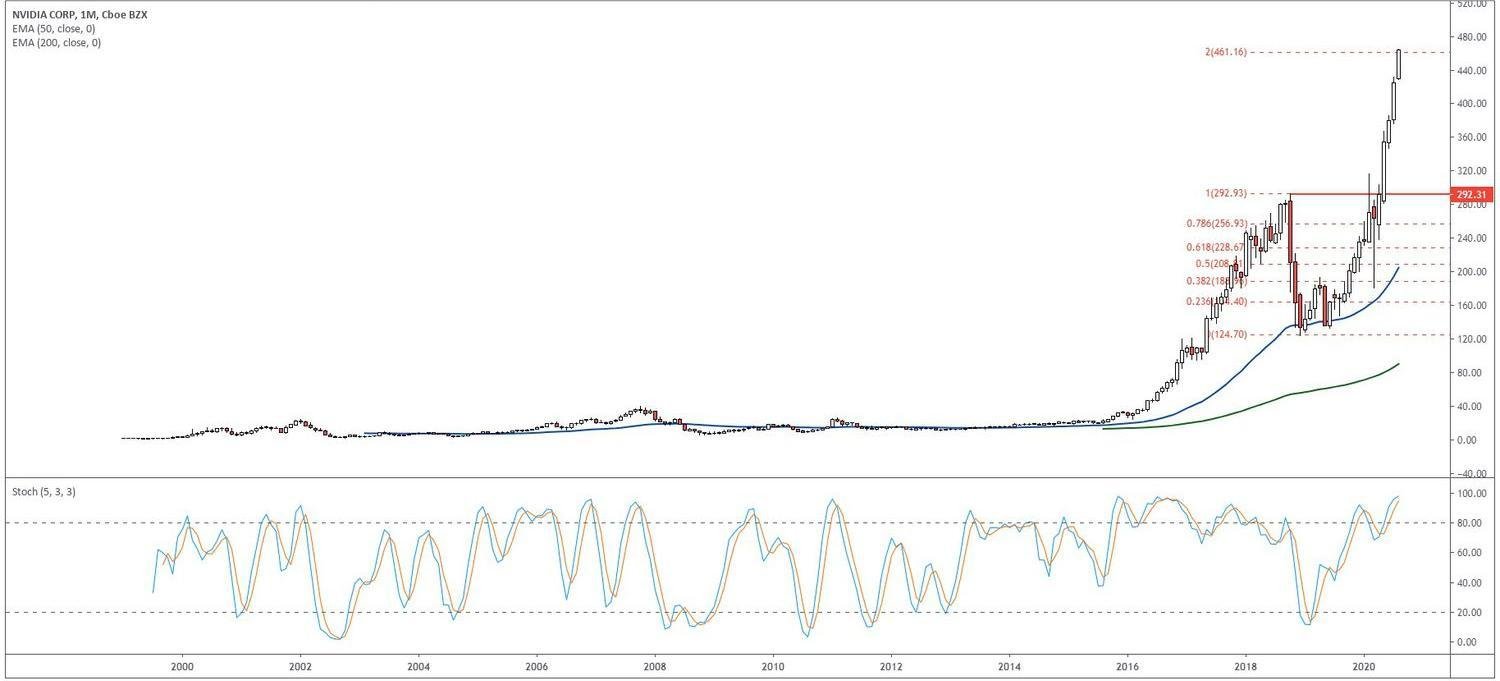
The significance of stock splits can be particularly pronounced in high-growth industries like technology. For example, historical precedents such as those established by companies like Apple and Tesla illustrate that stock splits can positively influence investor sentiment, even though they do not impact a company’s actual performance. The upcoming NVDA stock split is anticipated to create similar market dynamics, as it enables broader public participation in what is regarded as one of the market’s key players.
Overview of NVIDIA Corporation (NVDA)
NVIDIA Corporation, commonly referred to as nvda stock split, is a multinational technology company that is renowned for its contributions to the semiconductor industry. Founded in 1993, NVIDIA started as a company focused on graphics processing units (GPUs) primarily for the gaming market. Over the years, it has expanded its operations and product offerings, emerging as a leader in the development of high-performance computing solutions.
Today, NVIDIA’s core business segments include gaming, data center, professional visualization, and automotive market segments. Their products such as the GeForce and Quadro GPUs have been instrumental in enhancing graphics performance across various devices and platforms. Furthermore, NVIDIA’s foray into artificial intelligence (AI) and machine learning has positioned the company as a frontrunner in these rapidly growing fields, solidifying its status within the semiconductor landscape.
In terms of financial performance, NVIDIA has experienced remarkable growth. As of October 2023, the company’s market capitalization exceeds $1 trillion, a testament to its innovative product portfolio and strong demand in the semiconductor sector. The financial trajectory of the company has also been bolstered by strategic acquisitions and partnerships that enhance its technology capabilities and market reach.
Recent market developments have further catalyzed NVIDIA’s prominence. For instance, increased adoption of AI technologies and enhancements in cloud computing have driven demand for NVIDIA’s GPUs and related solutions. This surge in demand has led analysts to project substantial revenue growth, thus making the context surrounding the upcoming NVDA stock split crucial for potential investors and stakeholders.
Implications of the NVDA Stock Split for Investors
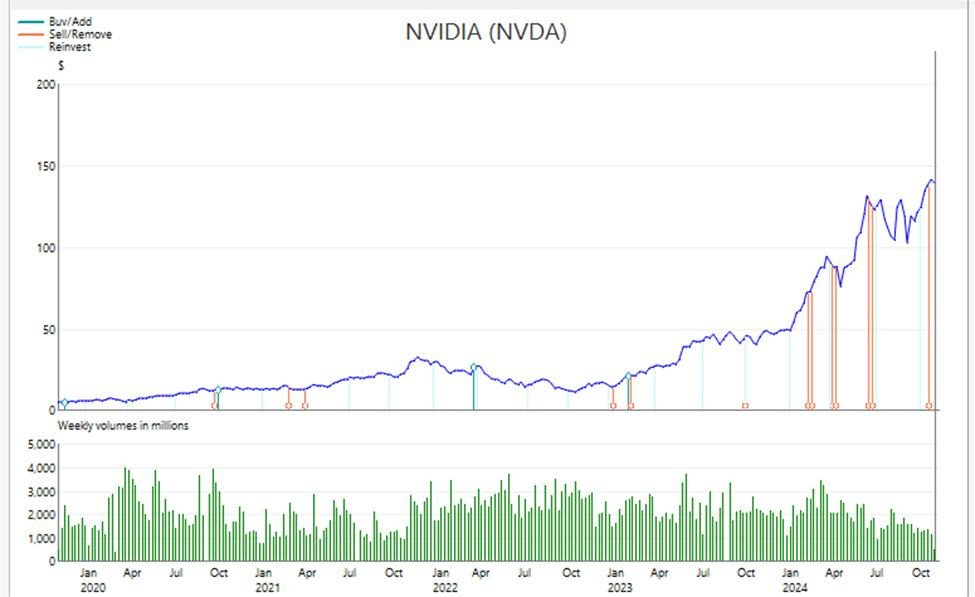
The stock split announced by NVIDIA Corporation (NVDA) carries notable implications for both current and prospective investors. A stock split typically divides existing shares into a greater number of lower-priced shares, which can influence investor perception significantly. One immediate effect is that the perception of the stock may shift, as a lower share price can make it more appealing to a broader base of retail investors. This influx can potentially lead to increased trading volume as new buyers enter the market, bolstering market liquidity.
From a liquidity perspective, the NVDA stock split is poised to improve market activity by encouraging smaller investors to participate. When shares are more affordable, as a result of a split, it can result in increased turnover and interest in the stock, improving overall liquidity. As trading volume rises, investors may experience a more dynamic trading environment, which can enhance their ability to buy and sell shares at favorable prices.
Moreover, the effects of a stock split on share value, both in the short term and the long term, are worth considering. Historically, stock splits have been followed by periods of price appreciation, as increased accessibility often drives demand. However, it is essential for investors to maintain a balanced view, as the split itself does not alter the fundamental value of the company. Analysts and market experts may express varying opinions on whether the split could lead to sustained positive changes in NVDA share demand, depending on broader market conditions and company performance post-split.
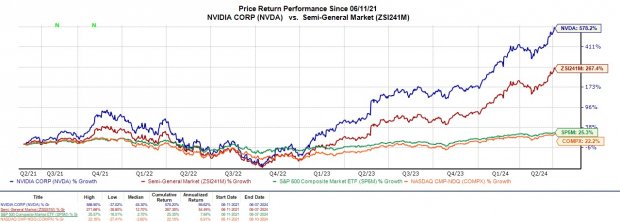
In summary, while NVDA’s stock split could enhance investor sentiment and market activity, the long-term impact on share value will ultimately depend on the company’s growth trajectory and market dynamics. Investors should remain vigilant, monitoring both expert opinions and market trends following the split.
Conclusion
As we have explored throughout this article, the NVIDIA (NVDA) stock split presents both opportunities and challenges for potential investors. A stock split occurs when a company increases the number of its outstanding shares while decreasing the individual share price, typically making the shares more accessible to a broader range of investors. In the case of nvda stock split, this event can lead to increased liquidity and a potential uptick in retail investor interest.
One of the key aspects to consider is NVIDIA’s strong market position as a leader in graphics processing and artificial intelligence technology. The company’s recent innovations and strategic roadmap indicate a commitment to growth, potentially enhancing shareholder value in the long term. However, investors should also be aware of the inherent risks associated with investing in a tech-heavy growth stock. Market volatility, shifts in consumer preferences, and competitive pressures are all factors that could influence NVIDIA’s stock performance post-split.
Investing in NVDA after the stock split may present a valuable opportunity, but it is imperative for potential investors to conduct thorough research. This includes monitoring industry trends, evaluating NVIDIA’s financial health, and reviewing market analyses. While the stock split may create a favorable environment for entry, investors should also assess their risk tolerance and investment strategy carefully before making decisions. In essence, while NVDA has admirable growth prospects, thorough due diligence will be essential for successfully navigating the post-split landscape.
