

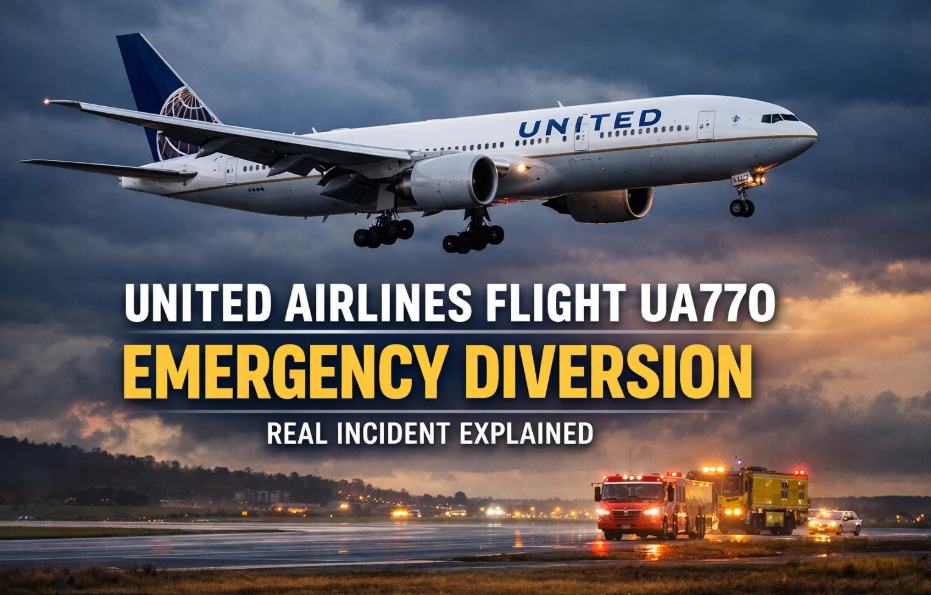
United Express flight UA5971 emergency diversion became a major topic of discussion after the aircraft was forced to change its planned route due to an unexpected situation. Air travel is usually safe and smooth, but sometimes pilots must make quick decisions to protect passengers and crew. In this case, the emergency diversion was carried out as a precautionary step to ensure everyone on board remained safe.
When news about United Express flight UA5971 emergency diversion spread, many passengers and aviation followers wanted to understand what really happened. Emergency diversions are not very common, but they are part of normal aviation safety procedures. Airlines train their pilots and crew to handle such situations professionally and calmly. This article explains the possible reasons, how the diversion process works, and what passengers can expect in similar events.
What Is an Emergency Diversion in Aviation
An emergency diversion happens when an aircraft changes its original destination and lands at a different airport because of an urgent situation. This can happen for many reasons, including technical problems, medical emergencies, weather conditions, or security concerns.
Pilots are trained to make quick and careful decisions. If something unusual happens during the flight, they contact air traffic control and request permission to divert. The main goal is always safety. Aviation authorities around the world follow strict safety rules, and aircraft are designed with backup systems to handle unexpected events.
In the case of United Express flight UA5971 emergency diversion, the crew followed standard procedures. Diversions may sound alarming, but they are often precautionary measures. Many times, the issue is resolved quickly after landing.
Possible Reasons Behind United Express Flight UA5971 Emergency Diversion
There can be several possible reasons behind an emergency diversion. One common reason is a mechanical issue. Even a minor warning light in the cockpit can lead to a diversion if the crew believes it is safer to land early and inspect the aircraft.
Another reason could be a medical emergency. If a passenger or crew member suddenly becomes seriously ill, pilots may decide to land at the nearest airport to provide immediate medical attention. Airlines treat medical situations very seriously.
Weather is another important factor. Severe turbulence, thunderstorms, or strong winds can make it unsafe to continue the planned route. In such cases, diverting to a safer airport is the best option. For United Express flight UA5971 emergency diversion, officials would have chosen the safest available airport based on the situation at that time.
How Pilots Handle Emergency Situations
Pilots undergo years of training before they are allowed to operate commercial flights. They practice emergency scenarios in flight simulators regularly. This helps them stay calm and make correct decisions during real-life situations.
When an issue arises, the flight crew follows a checklist. Modern aircraft have advanced systems that alert pilots if something unusual occurs. The crew then communicates with air traffic control and the airline’s operations center.
In the case of United Express flight UA5971 emergency diversion, the cockpit crew would have informed passengers once the situation was under control. Clear communication is important to reduce panic and keep everyone informed.
Passenger Experience During an Emergency Diversion
For passengers, an emergency diversion can feel stressful. However, cabin crew members are trained to handle such moments with professionalism. They provide instructions and reassurance throughout the process.
Most of the time, passengers may not even notice a serious issue. The captain may announce that the flight will land at another airport due to a “technical reason” or “operational issue.” This helps maintain calm inside the cabin.
After landing, passengers may have to wait inside the aircraft or in the terminal while the airline arranges another flight. During United Express flight UA5971 emergency diversion, passengers likely received support from airline staff to continue their journey safely.
Safety Protocols Followed by Airlines
Airlines follow strict safety regulations set by aviation authorities such as the Federal Aviation Administration (FAA). Aircraft undergo regular maintenance checks before and after flights.
Emergency equipment, including oxygen masks and fire extinguishers, is always available on board. Pilots also have access to detailed manuals and real-time data systems to help them make informed decisions.
The United Express flight UA5971 emergency diversion demonstrates how safety protocols are designed to prevent larger problems. Diversions may delay travel plans, but they protect lives.
Role of Air Traffic Control During a Diversion
Air traffic control plays a crucial role during any emergency situation. Once the pilot declares an emergency or requests a diversion, controllers give priority to that aircraft.
They coordinate with the destination airport to prepare emergency services if needed. Fire trucks, medical teams, and ground staff may stand by as a precaution. This ensures a smooth and safe landing.
In the case of United Express flight UA5971 emergency diversion, air traffic control would have provided a direct route to the alternate airport to minimize risks and reduce flight time.
What Happens After the Aircraft Lands
After landing safely, the aircraft is usually inspected by maintenance teams. Engineers check for technical issues and review system data to find out what caused the diversion.
If it was a medical emergency, paramedics attend to the affected passenger immediately. If it was a technical issue, the aircraft may remain grounded until repairs are completed.
For United Express flight UA5971 emergency diversion, the airline likely arranged replacement transportation for passengers if the delay was significant. Customer service teams usually assist with rebooking and accommodations when necessary.
Media Coverage and Public Reaction
When news of an emergency diversion becomes public, media outlets often report it quickly. Social media can also spread information within minutes. While this helps keep people informed, it can sometimes cause confusion if facts are not confirmed.
Passengers may share their experiences online, describing what they saw or heard during the flight. Airlines typically release official statements after gathering accurate information.
The United Express flight UA5971 emergency diversion attracted attention because people are naturally concerned about flight safety. However, most diversions end without injuries or serious consequences.
Why Emergency Diversions Show Aviation Safety Works
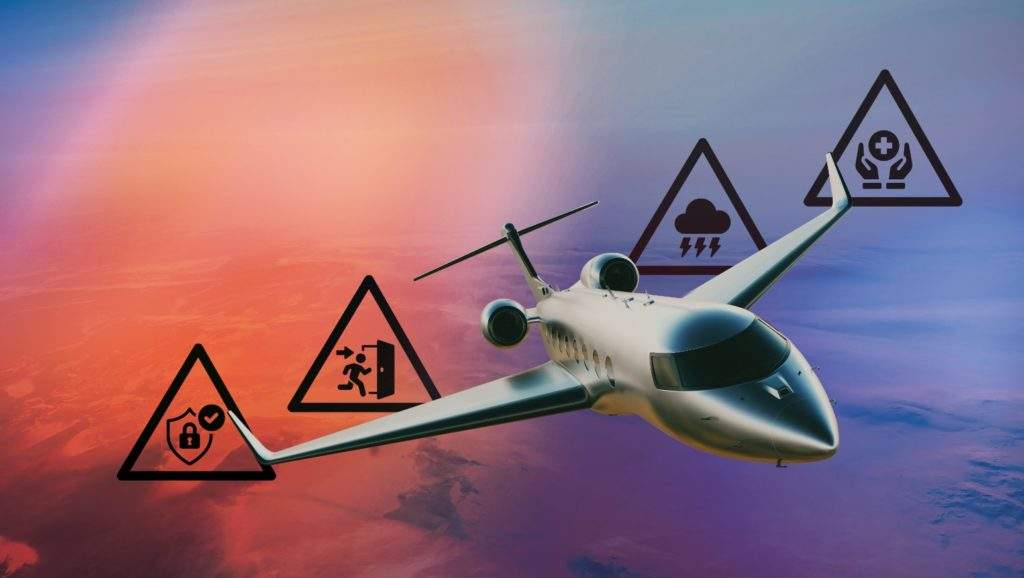
Although emergency diversions may seem frightening, they are actually proof that aviation safety systems are working correctly. Pilots are trained to avoid risks and choose the safest option available.
Modern aircraft are built with multiple backup systems. This means even if one component fails, others continue functioning. Airlines prefer to divert rather than take any unnecessary chance.
The United Express flight UA5971 emergency diversion highlights the importance of precaution in air travel. Safety always comes first, even if it causes delays.
Conclusion
United Express flight UA5971 emergency diversion reminds us that safety is the top priority in aviation. While unexpected changes in travel plans can be inconvenient, they are made to protect passengers and crew. Emergency diversions are carefully managed events, supported by trained pilots, cabin crew, air traffic controllers, and maintenance teams.
Most emergency landings end safely without serious harm. Airlines invest heavily in training and technology to prevent accidents. The event shows how the aviation system is designed to respond quickly and effectively when challenges arise. Passengers can feel confident knowing that every precaution is taken to ensure safe travel.
Frequently Asked Questions
What caused United Express flight UA5971 emergency diversion?
The exact cause would depend on official reports, but common reasons include technical issues, medical emergencies, or weather conditions. Airlines usually provide details after completing inspections.
Are emergency diversions dangerous?
Not necessarily. Most emergency diversions are precautionary measures. They are done to ensure safety and are handled by trained professionals.
What happens to passengers after a diversion?
Passengers are usually assisted by airline staff. They may be rebooked on another flight, provided accommodation if needed, or continue their journey after the aircraft is cleared for travel.
