

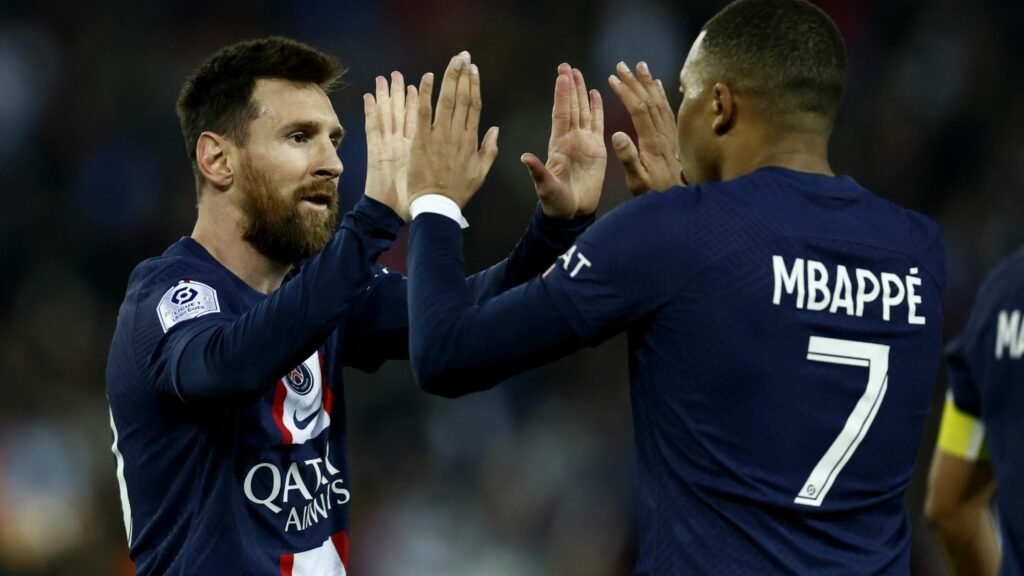
The 2022/23 Ligue 1 season revealed that both data and emotion define markets—but emotion moves faster. The emotional intensity of local fandom, amplified through social media and community bias, repeatedly swayed betting prices. Successful bettors learned that understanding fan psychology wasn’t optional—it was a core variable within the odds ecosystem.
How Psychological Bias Shapes Market Pricing
Fan optimism and media narratives consistently cause price drift. When clubs like Marseille, Lens, and Lyon performed above expectation, fan discourse created price inflation completely disproportionate to statistical outlook. The emotional backing behind PSG, meanwhile, caused market complacency—bettors assumed inevitability rather than evaluating performance signals. This concept of “emotional liquidity” explains why odds reflect sentiment strength before adjusting to reality.
Mechanisms of Emotional Influence in Ligue 1
H3: The Public–Market Feedback Loop
- Fans project confidence or despair online and through betting volume.
- Market makers adjust lines to mirror this demand flow, not necessarily actual probability.
- Bookmakers anticipate where betting money moves, leading to self-reinforcing price bias.
- Rational bettors spot divergence between model estimates and overreactive odds, securing marginal value.
Understanding this auction-like feedback loop turns crowd psychology from noise into exploitable data. Emotional feedback determines pricing rhythm just as much as team performance trends.
The Home Emotion Paradox in French Stadiums
In 2022/23, the return to full-capacity stadiums after pandemic disruptions amplified emotional asymmetry. Home underdogs performed measurably stronger, especially in high-identity regions—Lens, Lorient, and Marseille—all benefiting from crowd-sustained intensity. However, away favorites often saw odds clipped under overstated crowd influence. Recognizing when emotional motivation outweighed technical superiority gave contrarian bettors long-term profit leverage across these fixtures.
Betting Sentiment Analysis via UFABET
When comparing historical movement trends across price charts hosted within the ufabet168 online betting site, analysts noted consistent emotional compression in Ligue 1 odds during marquee fixtures. For instance, PSG’s lines often shortened 6–8% on matchdays regardless of form dip, simply because public bettors equated drop probability with reputational disbelief. Interpreting these micro-movements as behavioral variables rather than pure indicators of market wisdom allowed structured contrarian approaches. Bettors who monitored UFABET liquidity flow viewed emotional market noise as an early alarm to recalibrate probability instead of following momentum.
Tactical Undercurrents Behind Fan Confidence
Fan perception often shadowed tactical context. Supporters equated possession dominance with control, even when finishing metrics suggested inefficiency. Clubs with aesthetic appeal—Lyon, PSG, Rennes—drew public money despite declining conversion ratios. This visual bias created inflated price expectation. Teams less recognized for style but efficient in moments, such as Lens or Reims, consistently presented undervalued opportunities to technical analysts aware of emotion-to-odds lag.
Emotional Stabilization Through casino online Probabilistic Tools
Within quantitative analysis environments available through casino online modelling systems, probability simulations directly visualized how emotion distorted expected value. By overlaying fan sentiment scores—derived from public reaction metrics—onto real-time data inputs, analysts could distinguish which matches carried emotive inflation. Overreliance on perceived “momentum” faded when rendered statistically; emotional peaks correlated inversely with rational value. These analytical scenes reaffirmed the psychological law of reversion: crowds act fastest where logic functions slowest.
Influence of Historical Identity and Regional Loyalty
Regional identity in France binds fans to teams beyond sporting consistency. Clubs rooted in industrial towns, including Saint-Étienne and Lens, carry sentimental loyalty exceeding data relevance. Market bias grows when public imagination romanticizes revival over realism. Bettors anchoring decisions on xG stability instead of symbolic momentum maintained statistical grounding and benefited from form regression clarity.
Managing Emotionally Distorted Fixtures
Experienced bettors applied selective abstention when emotion overcame logic—avoiding matches with excessive narrative density. Media-loaded derbies or rivalry fixtures usually erase analytical margins. Shifting focus to quieter fixtures between mid-table sides offered cleaner data environments. The method emphasized rational scheduling—bet less where emotion dominates, bet deeper where silence prevails.
When Fan Energy Becomes a Real Performance Variable
Not all emotional bias harms accuracy. In tightly packed home environments—Lens and Marseille in particular—crowd pressure produced measurable uplift in running intensity and recovery intervals. When tactical systems harmonized with collective passion, energy translated to competitive output. This crossover point represents the rare moment when sentiment aligns with measurable physics rather than distorting interpretation.
Summary
Fan psychology across the 2022/23 Ligue 1 season illustrated that emotional bias operates as both signal and distortion. Collective confidence reshaped odds long before data stabilized reality. Bettors who read emotion not as distraction but as dynamic input gained clearer perspective on market velocity. Ultimately, mastering Ligue 1 betting requires analytical duality—knowing when the crowd drives chaos and when their energy legitimately alters probability. Real skill lies in translating passion into prediction discipline.
