

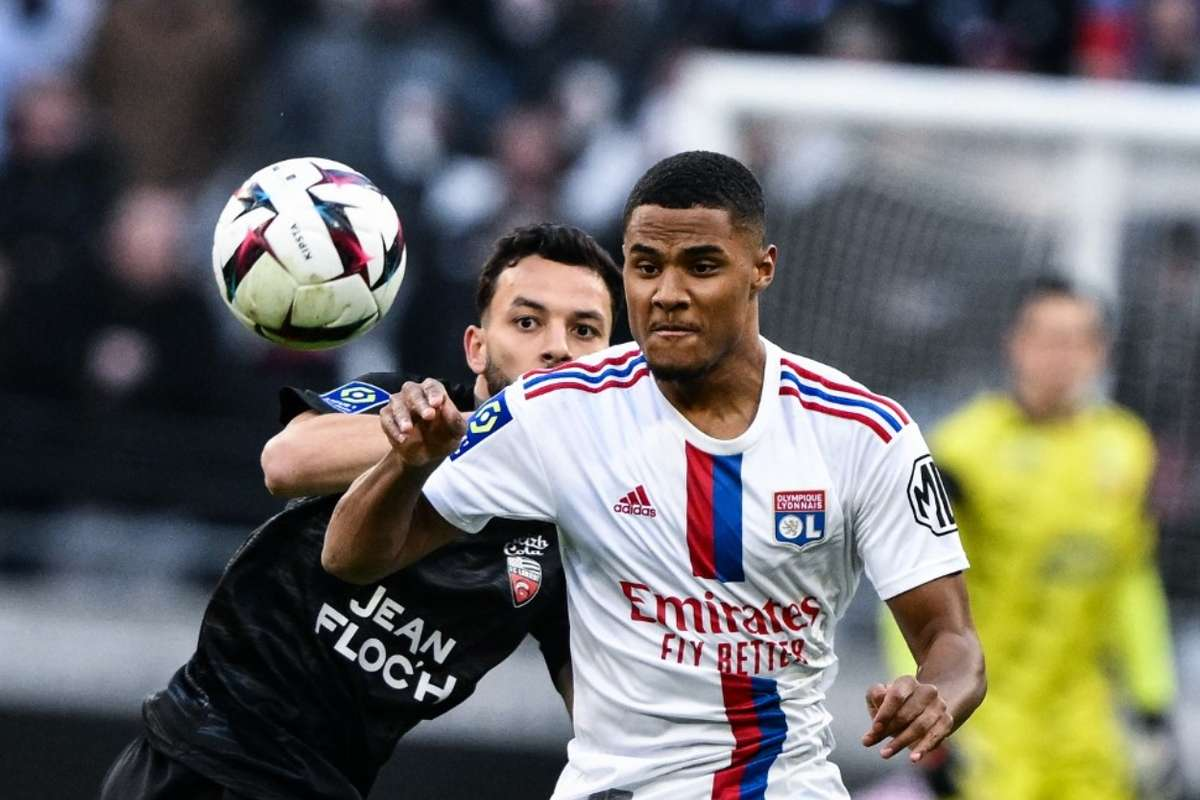
Derby and rivalry games in Ligue 1 2016/17, from Le Classique (PSG vs Marseille) to regional clashes like the Derby du Rhône and other historic matchups, added emotional intensity that standard fixtures did not. For bettors, those matches weren’t just “big occasions”; they were environments where motivation, tactical caution, and disciplinary risk could distort both performance and price, making it essential to know which aspects of the game to prioritise rather than betting blindly on narratives.
Why derbies are different but not random
French rivalry lists make clear that not every match is a true derby; specific pairings, such as PSG–Marseille and Lyon–Saint‑Étienne, carry historical and regional weight that reliably elevates tension. Research and data‑driven commentary on derby games show that while intensity rises, core structures—team quality, home advantage, tactical strengths—still matter; the “form goes out the window” slogan is overstated, but pressure can narrow quality gaps and alter risk-taking. In Ligue 1 2016/17 terms, that meant favourites usually retained an edge, yet underdogs in derbies could overperform their baseline more often than in ordinary fixtures, especially at home.
How rivalry context alters game plans
Analyses of derby dynamics highlight that coaches often adjust their approach because the cost of losing extends beyond three points into prestige and supporter pressure. Tactical breakdowns across leagues suggest that managers tend to be more conservative in big rivalries, choosing compact shapes, extra cover in midfield, and fewer early risks going forward to avoid catastrophic starts. In a Ligue 1 2016/17 rivalry like Le Classique, this often translated into matches that were intense and physical but less expansive than neutral observers expected, particularly in first halves where neither side wanted to gift momentum to the other.
Mechanism: how intensity affects goals and variance
Derby‑specific studies point to several repeatable patterns: increased psychological pressure, amplified crowd influence, and higher stakes all change decision‑making for players and officials. Tactical conservatism can reduce clear chances and lean matches toward lower scoring or more draws than modelled expectations, yet heightened emotion also increases the probability of errors, red cards, and decisive moments from set pieces, which raises outcome variance even when shot volumes are modest. For bettors, this combination—slightly lower average scoring but a wider distribution of results—matters because it shapes which markets carry priced‑in risk and which remain exploitable.
Key tactical and psychological angles to prioritise
Because derby narratives are loud, bettors need a more disciplined lens to avoid overrating emotion while still acknowledging its impact. Data‑driven commentary argues that the better team still wins most derbies, but that defensive records, home advantage, and rivalry-specific pressure influence how that superiority is expressed. In a 2016/17 Ligue 1 setting, that means focusing on whether the favourite’s strengths align with derby conditions—defensive solidity, set‑piece quality, mental resilience—rather than relying solely on open-play attacking metrics.
List: what a serious bettor should check first in Ligue 1 derby fixtures
Derby matches generate many potential talking points, but only some reliably affect betting outcomes. To keep analysis grounded, a structured pre‑match checklist helps identify factors that genuinely alter probabilities instead of just colouring the atmosphere.
- Underlying quality and current defensive form: rivalry or not, teams that concede few chances generally control derbies better, especially in tight, physical games where one goal often decides it.
- Home advantage strength: derby studies indicate that home edge amplifies when the crowd is highly engaged, meaning historically strong home sides gain even more when facing local rivals.
- Tactical tendencies in big games: some coaches become especially risk‑averse in derbies, lowering total chance creation and increasing the likelihood of draws or under goal outcomes.
- Historical disciplinary and physical intensity: derbies typically bring more fouls and cards than routine fixtures, which directly affects bookings markets and indirectly shapes late‑game chaos.
- Specific motivational context: league position, relegation risk, or cup implications can either magnify derby intensity or, occasionally, cause one side to rotate or de‑prioritise if other competitions matter more.
Taken together, these checks move analysis beyond vague statements about passion and into the concrete areas where derbies differ from standard Ligue 1 2016/17 matches, grounding bet selection in structural patterns rather than sentiment.
Table: how common derby patterns map to betting markets
Different aspects of derby dynamics affect different types of bets; understanding this mapping helps you choose markets that align with how these fixtures usually unfold. The table below summarises key patterns and their typical implications for a league environment like Ligue 1 2016/17.
| Derby pattern | Typical traits | Impact on match dynamics | Markets most affected |
| Tactical conservatism | Lower risk, compact shapes, emphasis on not conceding first | Fewer clear chances, higher draw probability, tighter first halves | Under goals, draw or +handicaps on underdogs |
| Heightened physicality and emotion | More fouls, confrontations, crowd influence on intensity | More cards, potential red cards, momentum swings from set pieces | Total cards, booking points, “player to be booked” |
| Amplified home advantage | Strong crowd effect, emotional lift for hosts | Hosts outperform baseline more often, even with similar quality | Home DNB or small handicaps when hosts already solid |
This framework shows that derbies don’t turn football into a coin toss; they tend to tilt matches towards specific styles—tight, physical, emotionally charged—that reward particular types of bets while adding noise to others. For 2016/17 Ligue 1, keeping these patterns in mind helped explain why some rivalries repeatedly produced lower-scoring, card-heavy contests despite the attacking talent on display.
Using derby context smartly within a UFABET workflow
For bettors treating Ligue 1 derbies as part of a serious routine rather than one‑off events, rivalry context should act as a modifier layered on top of normal pre‑match analysis. Once base evaluations of team quality, injuries, and tactics are in place, the question becomes how derby dynamics adjust those expectations: does the rivalry increase the likelihood of a lower‑tempo, card‑heavy game, or does it push one side to chase statement margins. When deploying stakes through an online betting site such as ufabet168 bet, a disciplined strategy is to use derby status to fine‑tune markets—preferring, for example, draw‑protected handicaps, card totals, or cautious goal lines—rather than to throw out all form data; the rivalry is an extra layer of context, not a licence to ignore fundamentals.
How casino online contexts clarify what makes derby analysis special
The value of studying derby matches lies in the way social and psychological factors alter otherwise predictable patterns through pressure, crowd involvement, and emotional stakes. None of those elements exist in a casino online setting, where outcomes depend solely on predefined probabilities and game mechanics, without any equivalent to rivalries or crowd‑driven momentum swings. Recognising this contrast underscores why detailed attention to fixture context—like derbies in Ligue 1 2016/17—can yield genuine insights for sports betting, while the same pattern‑reading offers no edge in environments where every spin or hand is identical and independent.
Summary
In Ligue 1 2016/17, derby and rivalry matches such as Le Classique and other regional clashes added layers of intensity and risk that changed how games played out without fully erasing the importance of quality and structure. Data‑driven views of derbies suggest that the better team and home advantage still matter, but tactical conservatism, heightened physicality, and amplified crowd influence skew matches toward tighter scorelines, more cards, and sometimes more draws than standard models project. For bettors, focusing on these specific derby patterns—and aligning them with carefully chosen markets on a betting destination—turns rivalry days from emotional traps into structured opportunities grounded in repeatable features of how such games actually behave.
